Faith, Family, & Focaccia

A faith and culture Mommy blog, because real life gets all mixed together like that.


2 Comments

Deadlines and Lifelines

Although my relative blog silence may not indicate it to most of my readers, the past two months have been very busy for me. Much of this business has involved very prosaic activities (laundry, errands, carnevale & Easter goody bags for the kids’ classes). Of course, the unique context of my current sojourn in Italy colors even these day-to-day activities with unusual challenges and rewards, and it also offers amazing opportunities to otherwise fill my time (ski weekends in the Alps, school field trip to the Triennale Design Museum, shopping day-trip to Venice — I’ll stop before you all stop reading out of pique!)

The particular business of the last two months, however, has involved a few longer-term commitments that have combined into a lesson I didn’t realize I needed to learn. The first part of that lesson is just a reminder of something I already knew about myself: I am the kind of person who likes clear, concrete, defined goals, especially when said goals offer specific deadlines against which I can track my progress. Aficionados of psychological testing will nod their heads sagely when I reveal that my dominant personality trait all three times I have taken the Myers-Briggs Type Indicator test has been “judging.” This doesn’t mean that I am judgmental (I hasten to explain, since we “Js” highly dislike both ineffective communication and mis-categorization). What it does mean is this: while at different points of my life my score for my source of energy has slid across the line between introversion and extraversion, and my preference for making decisions has tended to balance nearly equally between thinking and feeling, there is no doubt that my lifestyle is governed by a preference for structure and organization.

This controlling preference has expressed itself directly, as I said, in a few longer-term commitments that have been dominating much of my time in recent months. The first such commitment is my writing. No, not my blog, I know. This particular medium of expression has been consistent only for its infrequency and its failure to meet even my modest self-imposed deadline of one entry per month. I’m referring instead to my commitment that before I leave Italy I will complete a long-term dream: to write a novel. I first dreamed this dream when I was 8 or 9 years old and tried my hand at penning a fantasy adventure story (that particular effort petered out after three or four chapters and is now lying in repose in my mom’s garage, if it hasn’t ended its sad little life in the recycle bin). My more mature effort, however, has been germinating for over a year and a half, and is the proud owner of an entire notebook filled with plot outline and character sketches, snatches of dialogue and random draft scenes. Until January of this year, however, the translation of all this planning into sequential written prose was going very slowly. While I love to write, there always seemed to be dishes to wash, or groceries to buy, or friends to meet for coffee, or blog entries to write, and I found it very difficult to carve out the time demanded by this serious ambition.

Then, one of those cappuccino-loving friends challenged me to start setting deadlines for myself. Not the vague, future goal of “finish before I leave Italy,” but a week-by-week schedule of chapter completion that would get me to my goal with a little room to spare. What a difference a deadline makes! The novel has transformed from an idea to an actual story, with nearly eighty pages and 8 1/2 chapters of substance stored on my hard drive. Granted, the schedule of completion charted in the margins of my calendar had me completing chapter 10 by April 5, but considering that I was only part way through chapter 2 in late-January (after 6 months of work) I will celebrate this page-count as a practical victory.

I am all the more inclined to revel in this progress because of the other goal that absorbed a lot of my time in the last two months – training for my first 10K race. Unlike the novel, this achievement had never been a long-cherished desire. Before February of this year I had never even run 5 kilometers at a go in my life and I have never considered myself an athlete. At another January coffee date, however, another friend suggested that I try to run the Stramilano of the 50,000 with her in March. That evening, just to see if it was even plausible, I went surfing the internet for a 10K training schedule for first-time racers. Of course, once I had that clear, beautiful schedule beaming off my computer screen, with the first two training runs fatefully set at the exact distance I was already running twice a week, I was hooked. This wasn’t just the gratifying structure of regular deadlines. This was a professionally constructed schedule of deadlines specifically prepared for runners in my exact situation. I organized my daily routine around that schedule — never scheduling coffee for Tuesdays or Thursday so that I could do my runs; trading my vacation morning of watching the kids (so that Tyler could ski) for an hour to run on the hotel treadmill; scheduling a babysitter on the weekend that Tyler was away so that I wouldn’t miss my first 3 mile training run. As the race day approached and my fitness improved I added a bonus incentive: the measurable goal of a run time. This system of deadlines, goals, and measurable results was magic. On the 24th of March even a sudden bout of vomiting minutes before the race did not dissuade me (note to other novice runners – don’t add an orange to your breakfast on race day, too much acid). When the loudspeaker boomed our “Via” and the hundreds of red balloons released into the sky above the Duomo, I was off: dodging race walkers (it’s a very non-competitive race), puddles (it rained the entire morning), and real runners coming up from the rear (a few of whom I gratifyingly re-passed later on once they ran out of steam). I certainly didn’t set any records, but at 68 minutes I beat my goal time by 2 minutes and felt the rush of a goal achieved.

So much for the affirmation of a character trait that 36 years has firmly established in the understanding of anyone who knows me at all well. The real point of this entry in the caveat that I must now add to my assertion that my soul yearns for structure, and organization, and deadlines: deadlines don’t work for lifelines. You see, the last two months have also contained the season of the Christian church year termed lent, and this year I tried to impose a deadline schedule on my spiritual practice for observing this season. Although the practice of “giving up” something for lent is relatively unusual in the generally evangelical branch of Christianity to which I belong, I have come to deeply appreciate this discipline in the past 7 or 8 years. It provides a chance to temporarily eliminate some small thing from my daily life that it not intrinsically bad, but that can be more fruitfully replaced with prayer or meditation. So, for example, when I gave up chocolate for the span between Ash Wednesday and Easter, my predictable daily yearnings for that sweet, rich confection provided a dependable reminder to re-center my awareness on gratitude to the God who gave up so very much more to reestablish a bridge for direct relationship with human beings, myself included.

So, this year my spiritual “fast” was from Facebook. I don’t think there is anything wrong with Facebook. To the contrary, since my move to Italy it has become a valued point of contact with “home” that allows me to know what is happening in the lives of my friends and to keep them informed about my European adventures without spending hours on the phone or e-mail, or composing generic mass letters. All the same, this useful tool can be a wasteful time drain and a distraction from precious moments with my children and husband. So, I committed to abstain from the little blue app on my phone for 46 days. The negative side of fasting, however, the “giving up” is not the full purpose of lent. Rather, the Lenten practice is aimed at replacing the denied pleasure with one that is spiritual in nature. And so, before signing off from Facebook on February 13 I made a list of all my Facebook “friends” and committed to pray for each of them at least twice during lent. Thus was born my Lenten schedule of deadlines. What a wonderful plan for my organizer’s soul. I could stay indirectly connected to all those distant friends and family in a spiritually vital way, and redeem some of that lost time I had been wasting clicking on electronic posters proclaiming familiar truisms as though they were the newest idea since the iphone5. This might be my best Lenten practice ever!

Well, yes and no. It was certainly good to pray for my friends and extended family, although this practice brought with it the uncomfortable realization of just how infrequently I do this except when I am aware of moments of crisis in their lives. It was also both good and uncomfortable to shine a spotlight on my inconsistency with prayer in general. While I aim for a daily time of prayer, early wake-up from kids and unplanned phone calls or class e-mails often disrupt these plans, and I was not aware of quite how often I miss my goal until I had a daily schedule. Planning to pray for 6 friends a day suddenly makes missing “a day or two” much more concrete when that list grows to 24 the next time I actually sit down with it.

Unfortunately, this spotlight was not very motivating. It turns out that prayer is really not much like running. When illness or travel temporarily derailed my training schedule I would sit down with my calendar and schedule out a shift to avoid getting behind in my progress toward my goal. When the Gigglemonster started his morning yell for “Mommy!” 45 minutes early, however, I would write myself a bleary mental note about doing my prayer time later that day, and then forget about it until the next day, when my reaction to “reading” that mental note was a mumbled “Oh crud, I only have 20 minutes, how am I going to get through 12 people plus reading scripture?” That’s not how I want to feel about prayer. I expect to have to drag myself to lace up my running shoes — that’s why I need a training schedule — but my prayer schedule seemed to work in reverse: it made into a burden what should have been a source of joy and renewal.

Now I want to be clear, even in my organizationally-obsessed mind prayer is not subject to formula; it is not a magical incantation that needs to be said just perfectly in order to “work.” Just the opposite, I experience prayer as a conversation that only “works” in the sense of the relationship it builds. The effectiveness of prayer thus depends upon the conversation partners, and in this relationship I have no illusions about where the problems come from. The God I pray to is no baal – he does need to be woken up, or called back from a journey, or interrupted in the midst of relieving bodily functions. God is always present and is always worth talking to, if I can get my head into the space where I can actually engage. And this is where my prayer schedule ran me into trouble. This Lenten journey has brought me to the realization that despite my type A, organization-loving, schedule-dependent nature, deadlines are limited in their utility. Deadlines are for things that you need to do despite the fact that they aren’t always fun — important, good for you, even necessary, but things that you are tempted to put off when there are competing options for how to spend your time. Problems come when I apply this model of motivating myself to activities that offer their own intrinsic motivation, because the deadline mentality replaces this motivation.

This pattern applies not just to prayer. The same danger arises when I start evaluating and calculating the minutes I spend in “quality time” interacting with my children (“Oh no! we haven’t done any art projects this week – quick, pull out the paints even if Princess Imagination would rather play let’s pretend and the Gigglemonster is screaming for the Wii”), or connecting with my husband (the compulsion to try to force a substantive conversation rather than another night of cuddling in front of the TV — regardless of how physically and mentally exhausted we both feel). When I start thinking in terms of quantifiable goals or benchmarks of adequate achievement the joy of the interaction gets lost in the task-nature of creating it. When I apply the patterns and structures of work to my sources of meaning and joy, then they become work. But while work is important for life, and I do sometimes need to put work into these sources of life’s meaning, I also need to remember the difference between life and work. The most important relationships in my life, with my God and with my family, are my lifelines to an existence that means more than a series of schedules and goals.

And so, as I embark on my 37th year of life, I have a new goal: to distinguish my lifelines from my deadlines, and to put them in their proper order. I can get satisfaction from meeting deadlines and achieving goals, but that is not what makes my life alive, and no deadline is more important that making sure that I really live each day.

(A few of the things that have been filling my time, and bringing me joy:)

What an awesome backdrop for a run!

What an awesome backdrop for a run!

Uno...due...tre...Via!

Uno…due…tre…Via!

Reason #417 that kids are fun: you get to go sledding again!

Reason #417 that kids are fun: you get to go sledding again!

Call her Princess Skier

Call her Princess Skier


"Look, Mommy! I such a fast ski person!"

“Look, Mommy! I such a fast ski person!”
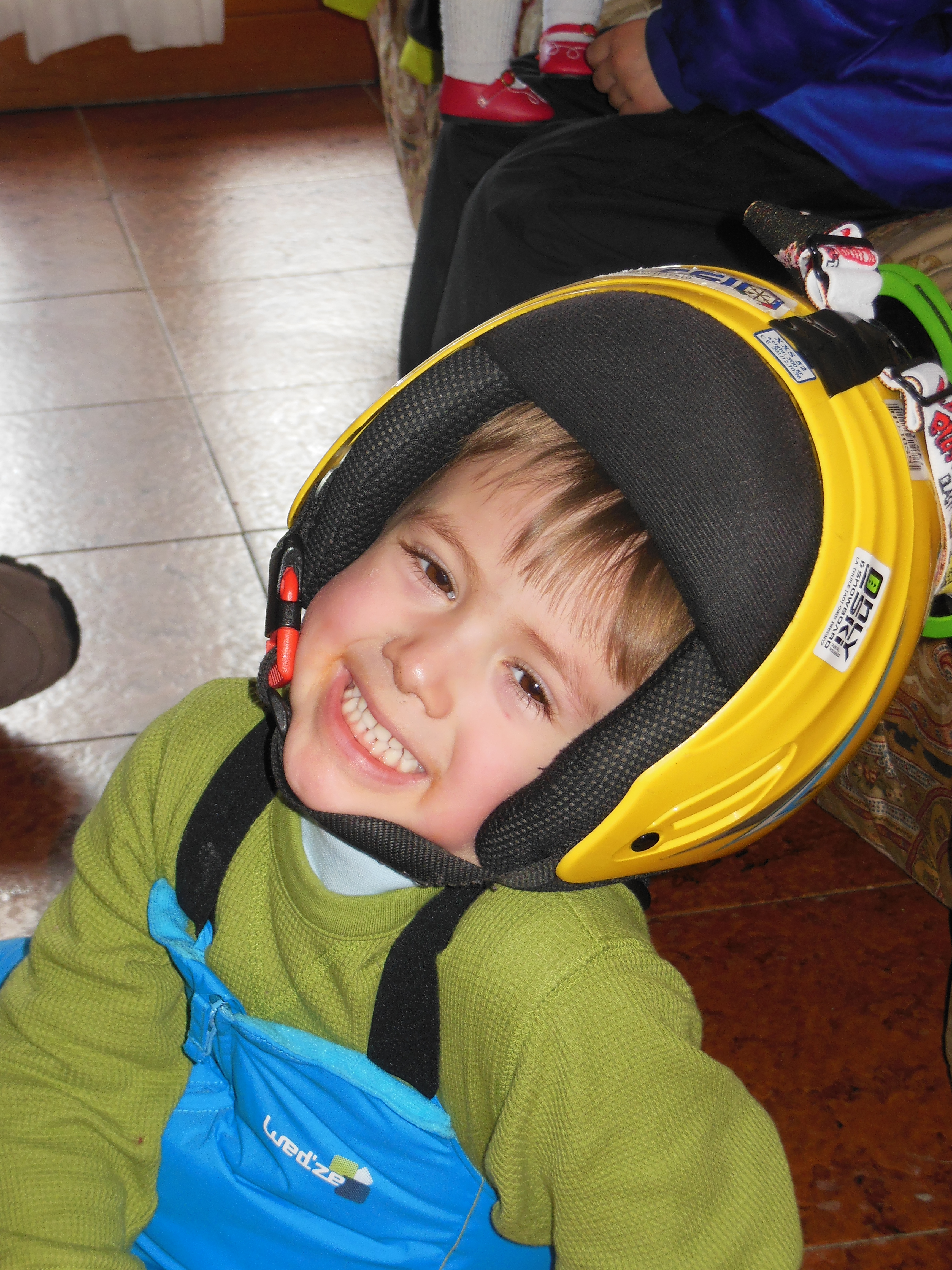
The Giggle monster had a unique way of putting on his ski helmet.

The Giggle monster had a unique way of putting on his ski helmet.


Carnevale in Parco Sempione.

Carnevale in Parco Sempione.

Our first AC Milan match at San Siro.

Our first AC Milan match at San Siro.

She actually had fun at the match, I swear!

She actually had fun at the match, I swear!

I finally went to see the Last Supper (Genius!)
I finally went to see the Last Supper (Genius!)

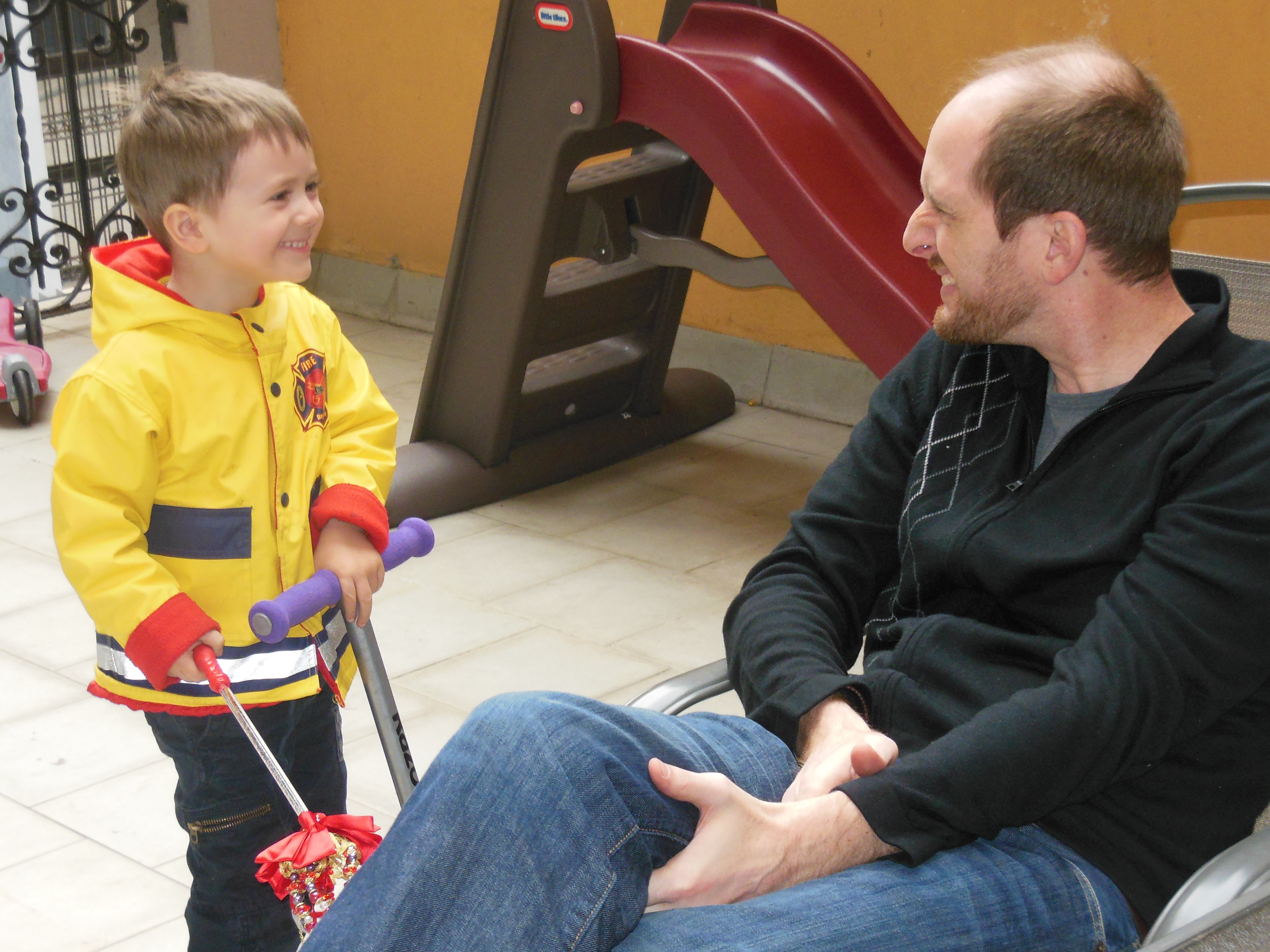
It's finally warm enough to play on the terrazza again!
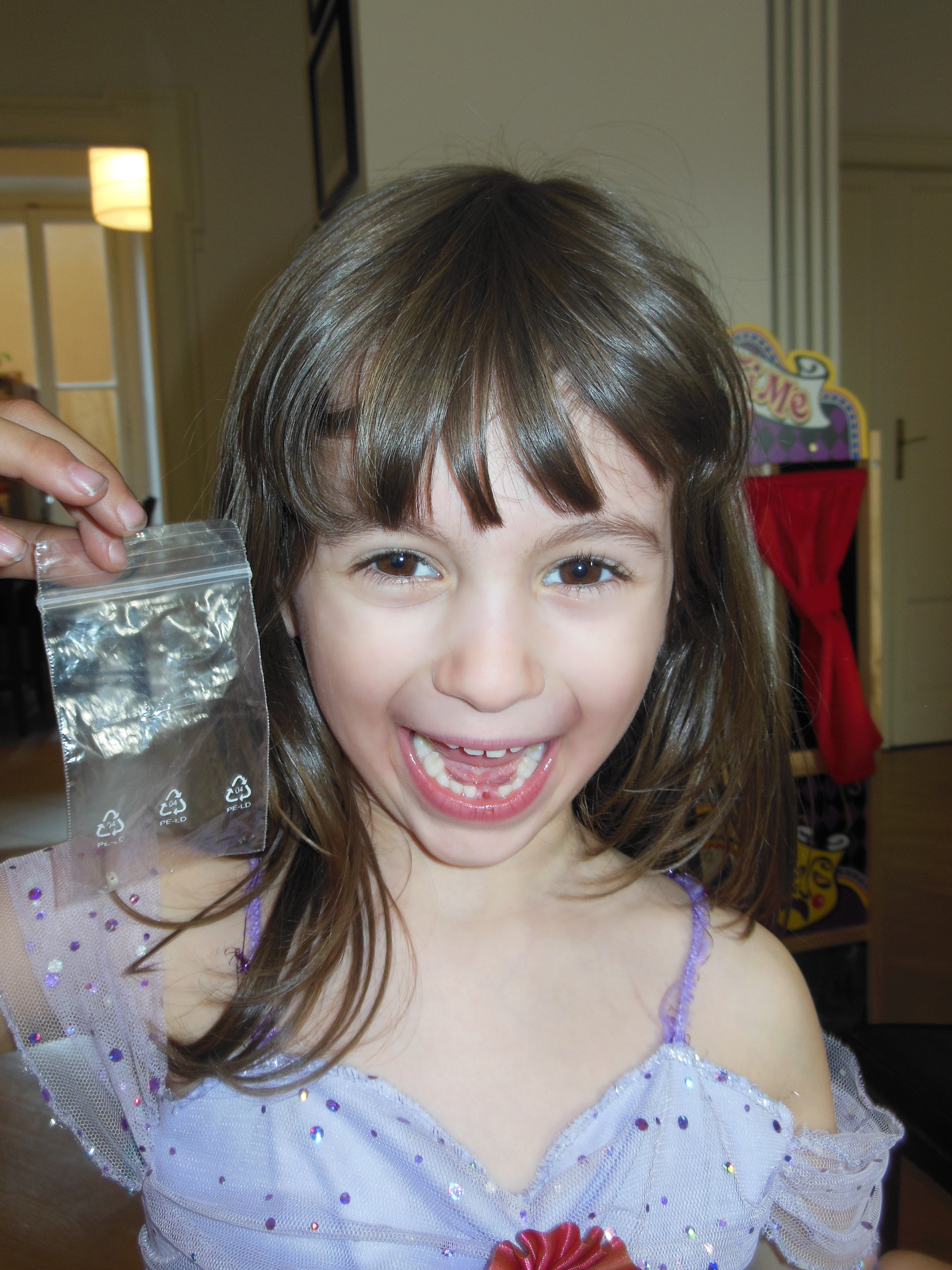
It’s finally warm enough to play on the terrazza again!


Look who lost her first tooth!

Look who lost her first tooth!

"Look what I can do!"

“Look what I can do!”

"Look. Mommy, I can do it too!"

“Look. Mommy, I can do it too!”

They're still my little babies!

They’re still my little babies!

Too cute not to share

Too cute not to share

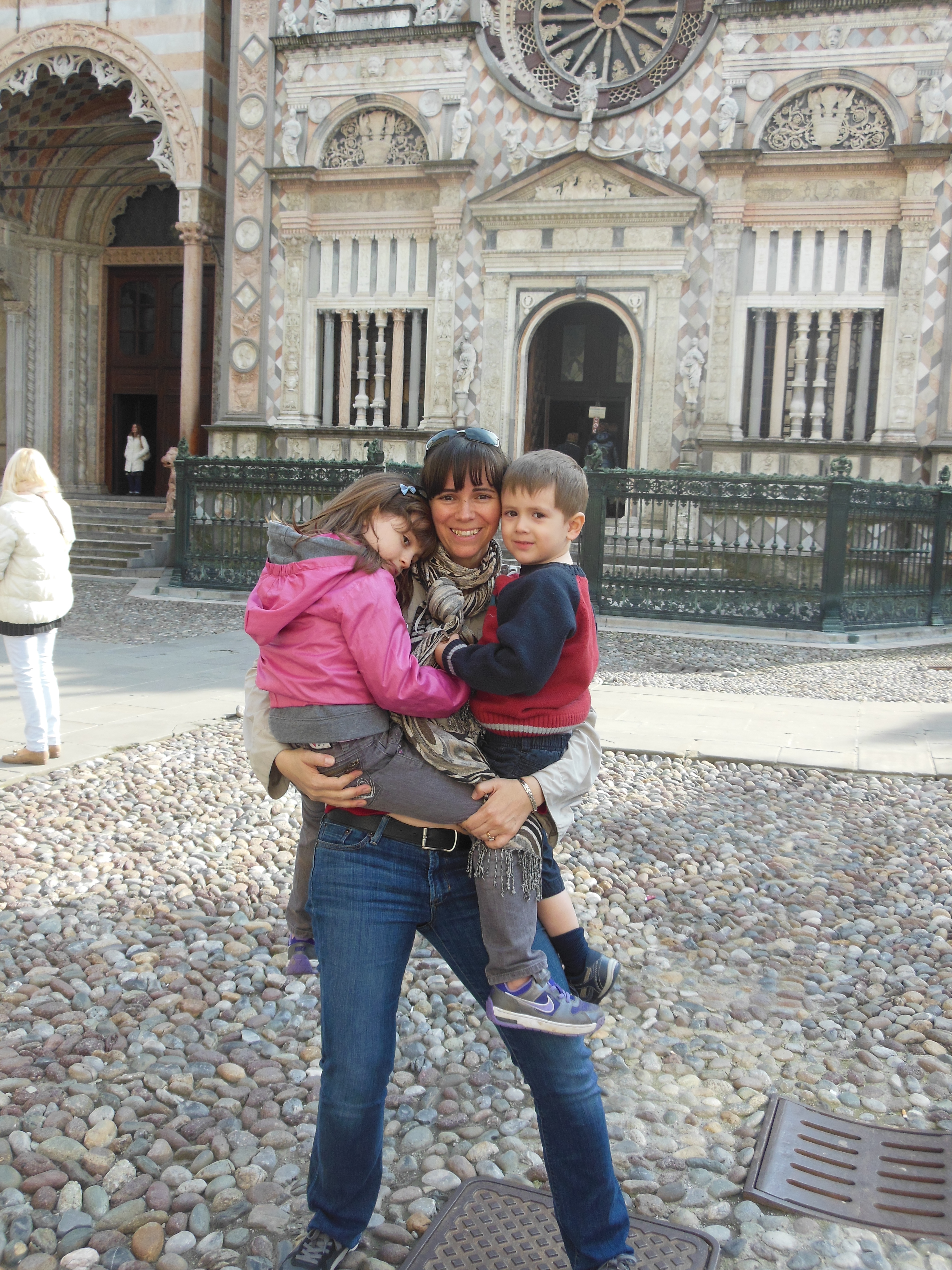
They so don't appreciate that they are playing in a gorgeous medieval square.
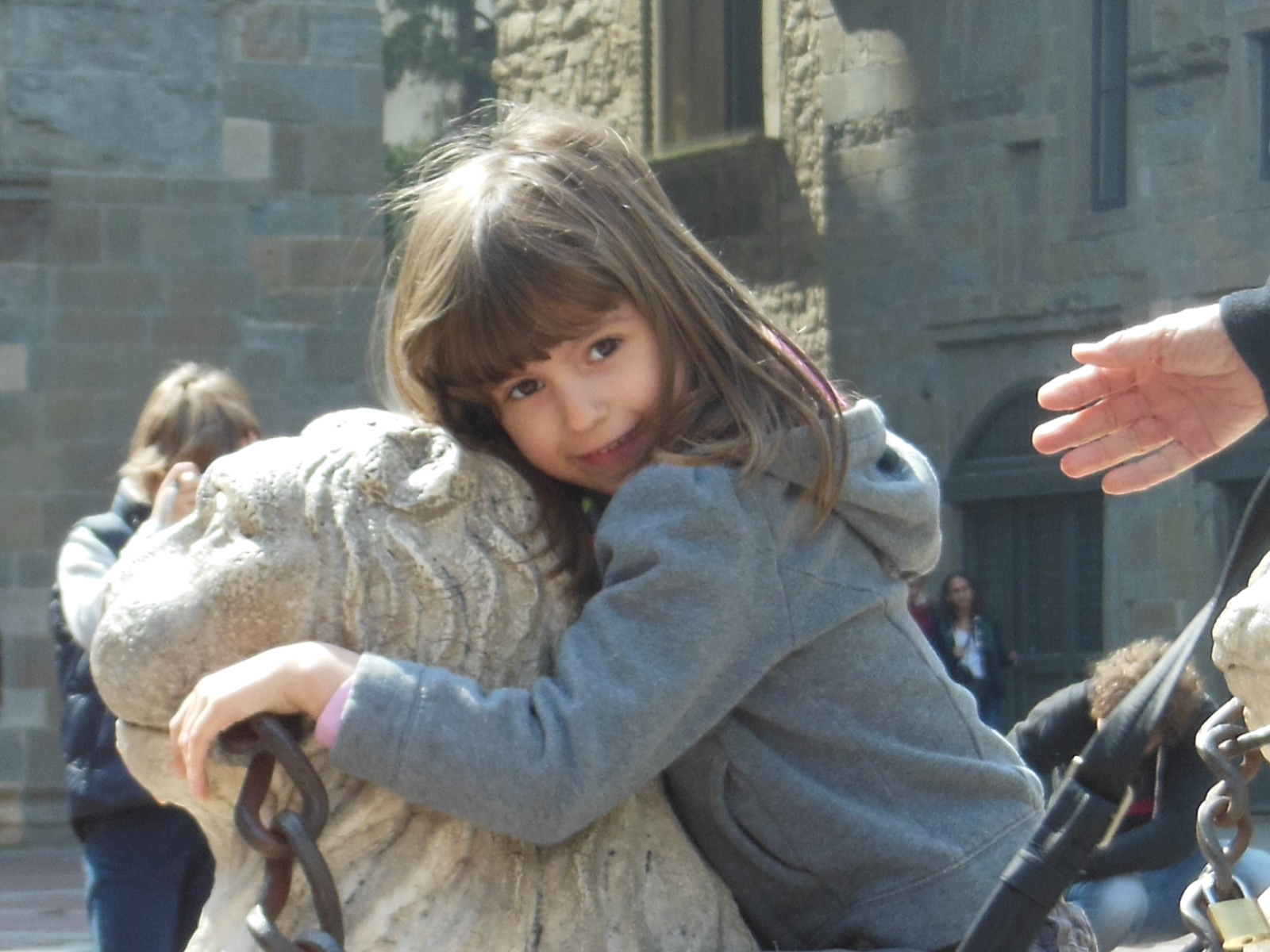
They so don’t appreciate that they are playing in a gorgeous medieval square.

My beauty.
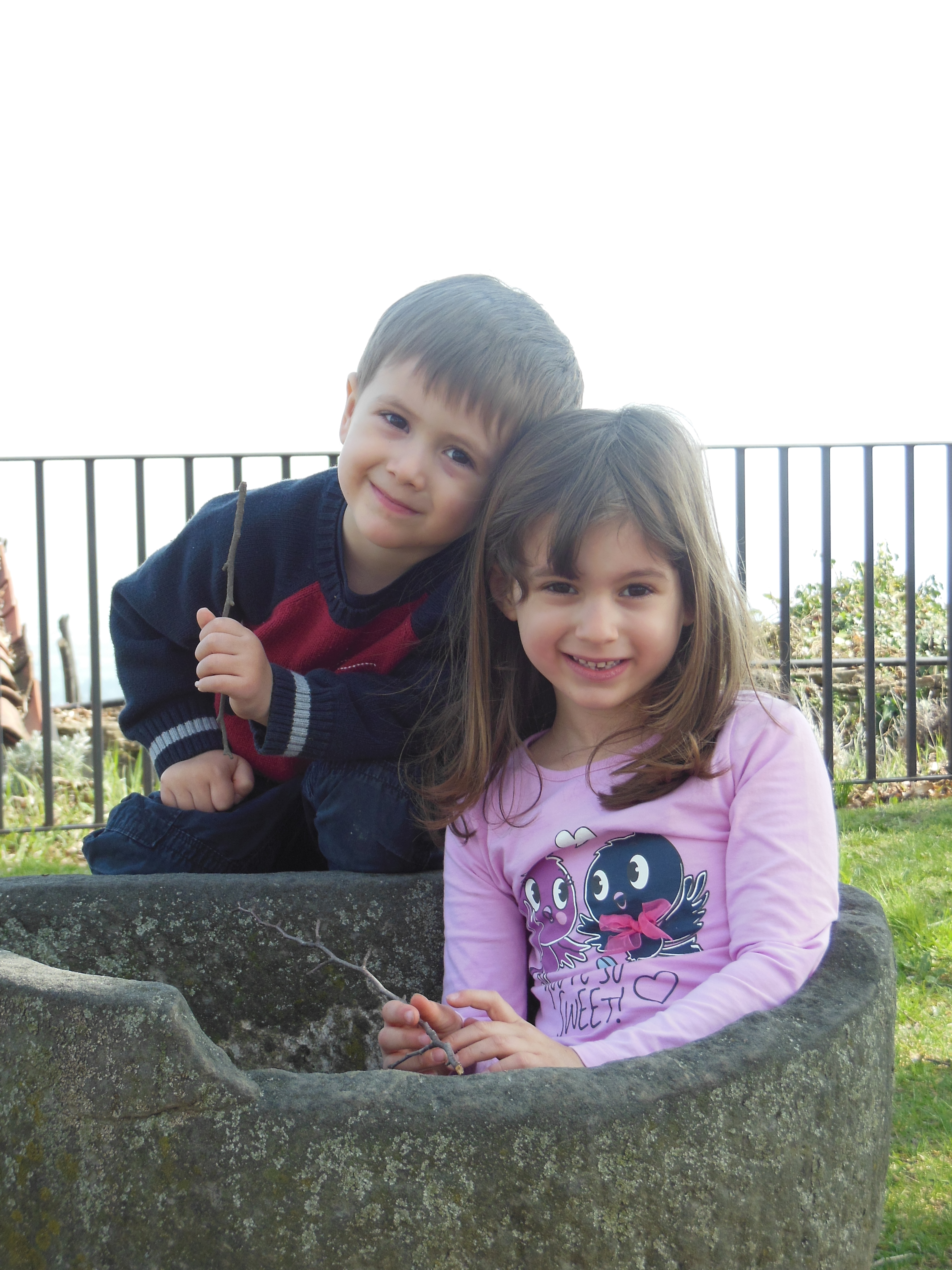
My beauty.

I love that they are friends.
I love that they are friends.

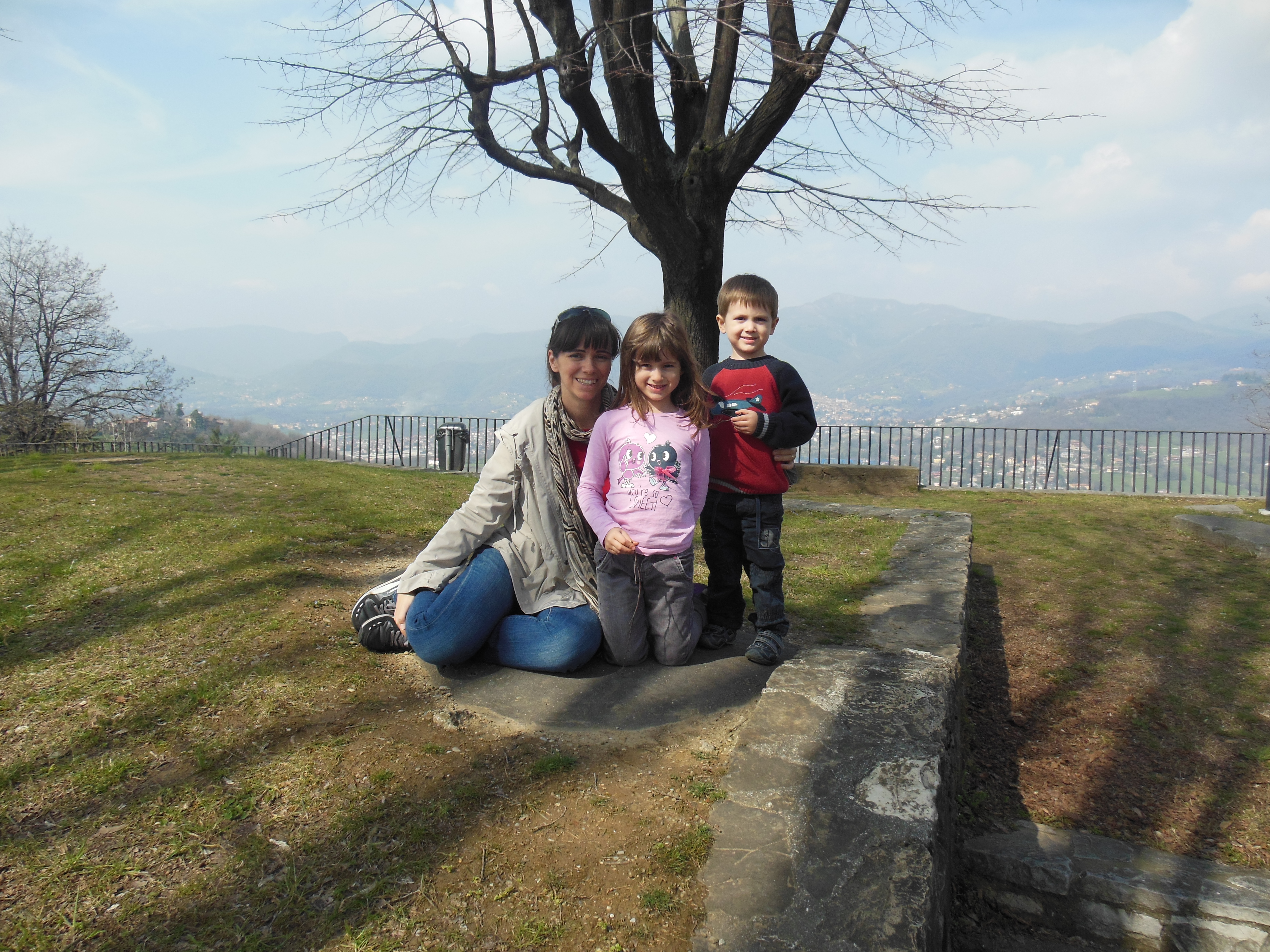
I actually got a decent picture of all three of us!

I actually got a decent picture of all three of us!

...love, love, love that they are friends.

…love, love, love that they are friends.


Gra'ma brought Easter egg dye from the states!

Gra’ma brought Easter egg dye from the states!


For book-character-day at school Princess Imagination went as Fancy Nancy

For book-character-day at school Princess Imagination went as Fancy Nancy


7 Comments

Encountering My Privilege

Today brought me an unexpected encounter with my own privilege that has left me floundering for an adequate response.

The day started out normally enough. I woke up a bit late because of yet another epic battle with the Gigglemonster about going to bed and staying asleep in his own bed all night (we are into week two of this new phase and it is leaving Tyler and I both exhausted, frustrated, and completely at a loss for how to master this new emergence of the monster side of our son’s personality). Consequently it was a bit of a rush to get the kids dressed and ready and out the door in time for school. We missed my target departure time by 11 minutes, but we still managed to enter the school just before the fateful hour when they close the main gate and the only entry available is through the shame-shrouded side door.

From there I waved a greeting to a few moms from the Gigglemonster’s class who were all looking very sleek and Milanese on their way to grab un buon caffe, and despite their warm friendly smiles I was painfully aware of my unwashed hair and muddy jogging shoes . Then I was off for my training run. I am signed up to “race” in the Stramilanino in 4 weeks. It is a non-competitive 10 kilometer organized run through the heart of Milan, and it is only a race in the very loosest sense. In my case the goal is simply to run/jog the whole way (completely disregarding time), but the fact that until a few weeks ago I had never in my life run even 5 kilometers in one go means that I am in training. Today the goal was 6.4 kilometers (4 miles for all my American friends) and it was my longest run to-date. I had mapped a circuitous course that took me from the school through some of the quieter neighborhoods of Southeastern Milan and up around Porta Romana to finish up at my own front door (I’ll walk back to school the afternoon where my car is conveniently waiting the drive the kiddos home). The run started out a bit labored with the cold air hitting my morning-fogged lungs, but my route offered lots of sunshine and I soon warmed up. I had my ridiculously over-priced but oh-so-wonderful running jacket (thanks to my wonderful mother-in-law’s thoughtful Christmas shopping), and its convenient sleeve pocket nestled my i-phone so that it could deliver Eye of the Tiger and other suitable exercise inspiration via earphones to my waiting brain.

I managed the run in 46 minutes and didn’t even huff too much on the long hill over the train tracks, and I felt good. I decided to run a few extra meters to the end of the block where I could cross over to one of my all-time favorite spots in Milan – the Forno Ambrosiano bakery. In addition to their focaccia (which truly is ambrosia), the Carnevale and Lenten seasons bring an additional high-calorie indulgence that is worth every extra pound: tortelli vuoti. The closest corollary that I can describe for those who have not tasted this magical confection is donut holes, but those are only a poor shadow of this greasy, sugary goodness. The bakery offers two other varieties (filled with crème custard or nutella), but our family always opts for the vuoti (meaning literally empty – so that there is nothing to compete with the taste of melt-in-your mouth sugar-coated fried batter balls). Understandably, this variety usually runs out first, and thus my decision to head to the bakery first, rather than stopping home for a much-needed shower. As I sprinted down the last 100 meters of sidewalk I passed Madonna, and began an internal dialogue about how to approach my return journey to my front door.

I should explain that Madonna is a woman who begs on the sidewalk  just outside the coffee shop that is 6 doors down from my building. I first got to know her about 4 or 5 months ago, when I asked her name as I dropped a small bill into her cup. In one of my college sociology classes a professor encouraged our class of generally liberal, faith-minded idealists to consider how to make our charity more humanizing. She suggested that one of the worst things about extreme poverty is the way that it cuts you off from social interaction. Those who are reduced to begging for change generally meet two reactions – either averted eyes that pretend not to notice them, or eyes that watch the small donation of loose change into their cup, but never make contact with their own. Professor Alexander didn’t insist that we should give to every panhandler we encountered, but she said that if we do choose to give, we should try to do so in a way that makes a human connection. Make eye contact, ask their name, offer an encouraging word, if time permits offer to buy them a sandwich and sit with them while they eat. Give them more than just loose change – give them the respect they deserve as a fellow child of God.

I’ve always remembered that advice and I try to put it into practice when possible. I certainly don’t give to every panhandler I see, and I can’t claim to have any admirable system or criteria for deciding when I do. Most often it has mostly to do with how easily I can access a suitable denomination of coin and how much of a rush I am in at the time. However, on my way home from school one day in late September or early October I dropped a contribution into Madonna’s cup and made eye contact with a smile. Her responsive smile was enveloping, and she offered an enthusiastic thanks. We had a brief conversation, hampered by the limited Italian that is our only common language (she is from Romania), but eased by the responsiveness of her eyes and smile. It was a moment of humanity, and since then I have felt a certain connection with Madonna. I won’t claim that there are never times I pass without offering her a contribution – when I am balancing shopping bags and whining children or when I am completing or starting a training run and I have no money with me, but I always try to at least make eye contact and smile, and she does the same, usually with a friendly “Ciao, Bella” as well.

Then came the run-up to Christmas and all the business and activity that involves. I had not talked with Madonna for a week or two with all my rushing about, and I had been thinking (with a degree of self-satisfaction I am ashamed to admit) that the next time we met I would ask her what her two children would like for Christmas. I imagined the opportunity to take Princess Imagination on a shopping trip to pick out Christmas gifts for her 6-year-old son and 3-year-old daughter and what a great chance that would be to reinforce the lessons we are trying to teach her about generosity and passing on the blessings we have received. When I stopped one morning to hand Madonna a small bill, however, the interaction did not go as I had planned. She held my hand in both of hers, looked into my eyes with a look of desperation and explained that she had been hoping to see me. Her son had told her that the only thing he wanted for Christmas was to go home to Romania to see their family, but she couldn’t afford the tickets. She had asked everyone she could, but she was still short by a substantial sum. The price was not really that high in the context of my life — perhaps the equivalent of two dinners out for Tyler, myself and the kids — but it was certainly more than I had ever given to someone on the street.

I was taken aback. Suddenly my warm and fuzzy sense of generosity was replaced by discomfort and even fear. Was the story true? Had the relationship I felt we had been building been genuine, or was it just part of a long-con to get a large chunk from the naïve American? I was fairly sure I had been conned by another “young mother” a few months back for a smaller, though not insignificant, sum and I felt wary. My instincts to help clashed with all the stereotypes of class barriers and I did not want to be taken advantage of. I told her I would have to think about it, which I did.

I thought. I anguished. I avoided walking along that stretch of sidewalk for over a week to prevent any need to confront her searching eyes again.  And finally I prayed. I came to the decision that I wanted my life to be more characterized by love than by fear, by compassion than by distrust. It was money we could spare, and ultimately I believed she did have need. Whether the money was really to pay to take her and her children home to Romania or not, it didn’t really matter. I gave her the money a few days before I departed for my astronomically-more-expensive trip home to California (paid for by the company thanks to a generous expatriate contract), and I felt wonderfully at peace. I had no doubt that I had made the right decision, and the tears shining in her eyes as she clasped me in a hug of thanks were a very special Christmas present that confirmed my faith in the value of humanity in all human contacts.

When I returned to Milan in January I did not see Madonna for a few weeks. When I gave her the gift she had said something about perhaps not seeing me again if she could find a way to stay in Romania (or at least, I think that’s what she said – our communication is imperfect). I wondered whether that had happened. Perhaps she had found work, or her husband had, and they had been able to abandon the failed hope of a better life in Milano. I was glad to imagine that possibility for them, but I have to admit that I was also glad of the prospect of not facing her beseeching eyes again.

You see, what Professor Alexander had not talked about when she encouraged us to make human connections in our charity, was how that raises all the complications of human relationships. Issues of trust, and selfishness, and relative power, and judgment arise when you acknowledge someone else’s humanity. In the particular relationship of informal benefactor and recipient these dynamics twist every interaction into a distorted parody of the more natural interactions of our daily lives. We had no natural point of connection other than the passing of money and there were no rules or standards for how to govern that exchange. What was enough? What was too much? What right had I to control how my donations were spent? What expectation could she have that she could ask a large sum from me again? Once our exchange had gone beyond the occasional coins or small bills, there was an increased stake in our relationship, and I was quite happy to avoid that prospect. And so, I wished Madonna the best in Romania.

And then she appeared again. Her smile for me was warm, but I felt something else behind it (whether genuine or born from my anxiety I am not sure). She asked when I would be walking by again. She had made a video for me back in Romania, to thank me for my help and to show me where her family lived. She would bring it if I would tell her when. We made a date a few days out when I knew I would be able to walk down that short stretch of sidewalk, and I left. When that day arrived I felt oddly hesitant. Feet that have newly accustomed themselves to run several miles at least 3 or 4 times a week felt heavy and reluctant to traverse just 50 meters of pavement. But finally I ran out of other tasks that needed to be accomplished and I made the walk. Madonna smiled her same welcoming smile as I approached and chatted in her friendly sing-song voice. At first she did not mention the video. Rather she asked about the kids, and my trip home. She then inquired about my faith. I confirmed that I am a Christian and she said she had a feeling – something about me just shone. She was not a Christian herself, but her mother in law was, and she saw the same love in me. It was a lovely compliment, perhaps one of the most beautiful I have ever received, but it laid another weight on the burden of responsibility I had grown to feel toward her. Now my actions toward her reflected not just on myself, but explicitly on God as well. I hoped even more fervently to be spared any further obligation that might come with her promised video. Perhaps she had forgotten to bring it? Perhaps I would be spared that tangible, physical tether to her need? But as I made to pass on she dug a paper-wrapped DVD out of her bag and handed it to me with a little explanation. The video showed her home and her family in Romania – so that I could see where she had gone. And, if I wanted to do something more to help her, or if I wanted to show it to my friends to see if they would like to help, she would thank me deeply.

I left with a heart of lead. My fears were realized. The first request was being followed by more. I couldn’t just reach down my benevolent hand in a gesture of humanity and then retract it, with no sense of continued obligation. I was now her benefactor, with the potential (at least in her eyes) to identify still other benefactors as well. The video sat unwatched on a shelf in my house for several weeks. The thanks it promised to give felt tainted by the expectation of further gifts, and it made me deeply uncomfortable.

So again, I avoided that stretch of pavement during Madonna’s normal hours, or I loaded myself down with parcels or schedules that did not allow for extended conversation. She occasionally asked if I had watched the video, but I would explain I had not yet had time, and then rush on with my busy life.

Until today. Today, as I walked home from the bakery toting my bag full of tortelli vuoti, I lectured myself with Professor Alexander’s words about humanity, and with the reminder that my life reflects not just on me, but also on my Savior and Lord. So I stopped and talked to Madonna, after handing her today’s contribution. She remarked on my running gear and I explained about my training, telling her I had never done anything like this before, but now I had the time. She was complimentary and enthusiastic, as she always is. I began to feel a bit of the ease return to our interaction. As I made to leave she asked again if I had watched the video, and I smiled my reassurance. “Oggi” I promised – today. After all, if I had the time to train for a 10K run, certainly I had 10 or 15 minutes to watch a video.

So that is what I did. I did my post-run stretching on my very expensive, double-thick yoga mat, laid out in my spacious company-financed apartment and watched her DVD on my big flat-screen TV.

The contrast took my breath in a way that no run ever could. Her home in Romania looks like an abandoned farm building. Only one room has a fully intact roof and walls, and it is furnished with one hutch, one chair, and a large couch. In it are seated her two children, her sister-in-law and her three children, and her mother-in-law. The only other “room” in the house has gaps between the walls and the rafters and thatching that make-up what there is of a roof and contains only large piles of fire wood and a rudimentary kitchen with some cupboards and what I assume to be a wood-burning stove. There is no electricity, no running water, and no plumbing.

She also explains that her children do not go to school because they cannot afford it. Her 6-year-old could presumably go to public school but that requires money for books, for school meals, for clothes, and for other fees. They do not have any money, so he cannot go to school. She does not say it, but it is an unavoidable conclusion that he will be trapped forever in the same poverty he lives in now, without even the basic education with which his father cannot find work.

Madonna’s sweet voice and smile narrate the film, and it is not a hard sell. It is just an account of her life, and her expression of gratitude for what I have done to help her. She and her children smile at her friend’s video camera and wave good-bye with a chorus of “Ciao Bella.”

And I sit in shock. How could I have just stood in front of her in my expensive jogging paraphernalia, holding a bag of confections with no nutritional value, chatting about the luxury of training for a race, and finally condescended to watch her thank you video after a month of procrastinating. I took a minute for self-recrimination before I moved on to the even harder question. What could I do now?

Her need is desperate. There is no doubt of that. She and her husband came to Milan to seek a better life for their children, but without work their poverty here is still desperate, even if their home here might have complete walls or electricity. But what can I do?

I have only two resources. The first is money. But the money they need to really change their lives is far beyond what I can provide. Tyler and I are certainly comfortable, but we don’t have enough excess to permanently support another family.

The other resource is knowledge. But I don’t seem to have the kind of knowledge that can make a difference. I don’t have any way to connect Madonna’s family to more sustainable support. Tyler and I have no connections that can offer her husband employment, and I don’t have the least idea what social supports exist for her in this embattled and bankrupt state. As someone whose career (prior to this move) was in the fields of anti-poverty research and advocacy, that ignorance is humiliating, but difficult to remedy. In any such effort my language barrier combines fatally with the confusion and opacity that characterize the Italian social system, which Italian friends have told me make the system nearly impossible for even native Italians to navigate. The election held in Italy over the last two days has apparently decided almost nothing and the national and European economic pressure is certainly not the context for expansive relief programs for undocumented immigrants, so I doubt any of the parties of coalitions have any solutions in mind for Madonna.

There is nowhere to look for a solution to Madonna’s problems, and I am left sitting on my comfortable couch, in my warm apartment, typing on my laptop computer about how I don’t know what to do with this juxtaposition of privilege and pain. I know there are lots of social arguments out their about personal responsibility — not having children if you can’t support them; taking the legal road to immigration if you want to work; doing whatever it takes to earn an honest living — but I can’t blame her as a way to escape from her pain. She’s a human being. Her children are innocent victims of an impossible situation. They will probably never experience the comfort I take for granted every day. And I don’t know what to do about it.

And so, I have written this entry. It doesn’t have a pithy conclusion where I tie it all up with my moral of the story. It doesn’t chronicle any momentum decision I have made that I think worthy of sharing. All it does is give witness to the injustice of the contrast between my life and Madonna’s. If I can do nothing else, at least I can give witness.