Faith, Family, & Focaccia

A faith and culture Mommy blog, because real life gets all mixed together like that.


1 Comment

Slowing Down

A few days ago I started re-reading the New Testament letter of James as part of my morning devotional time.

[Please note – I’m not sharing this out of any self-righteous desire to appear holy, especially not holier-than-though. My devotional efforts are consistent only for their inconsistency, so I could never hold myself up as a model in that regard. But I am grateful to be experiencing a new vitality to my spiritual life ever since I heard the “wind hovering over the water” in Tinos. Since some of the things I have been learning in the process may be interesting and relevant to others, I am making bold to share them. Whether or not you identify with the Christian faith, I hope these reflections can still have meaning for you.]

So, as I was saying, I have started re-reading James. It is a letter I have not studied in a long time — at least 5 years — although I am fairly familiar with its content as it is a much-quoted book. However, an allusion to one of the sections of the letter in a song recently drew my attention. So, on Thursday morning, I picked up my bible and started reading from chapter 1. I got 18 verses in and then I came to a short little section that I have heard or read innumerable times before:

 “Everyone should be quick to listen, slow to speak and slow to become angry, for man’s anger does not bring about the righteous life that God desires.” James 1: 19b-20 (New International Version).

Now, I do not consider myself an angry person. My father had some issues with anger and that has always been a strong motivator for me to avoid that particular emotion. What it more, I think my natural temperament is relatively calm. My parents named me Serena because of that intrinsic serenity, and as recently as two weeks ago yet another acquaintance observed that this name is particularly apt. A variety of friends have even commented on the calm attitude I maintain in dealing with my children. One friend insists vehemently that she does not believe I ever yell at my kids, despite my assurances.
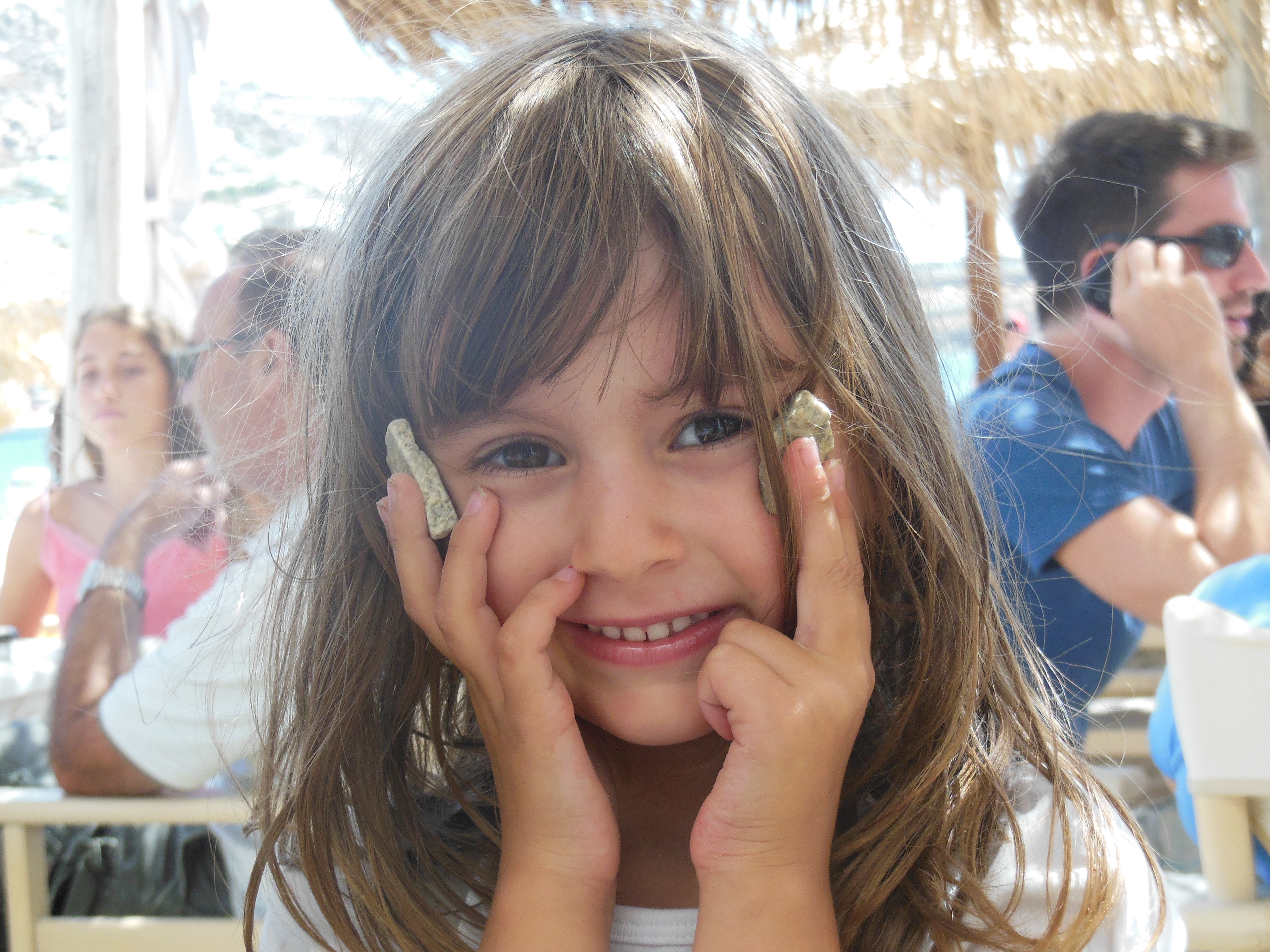
I believe, however, that it is the change in my status from non-parent to parent that drew these two verses to my attention so unavoidably a few days ago. The moment I read them it was as though a not-so-silent movie began playing for the benefit of my mind’s eye: a flashback of the last few weeks with my children. I saw moment after moment of impatience and frustration; of exasperation and ill temper; of sharp words and snappy gestures; in short, of quick jumps from my natural calm to petulant anger in response to what were usually fairly mild behaviors from my children. These memories struck me with particular force because I know these weeks were relatively stress-free, comprising as they did the last few weeks of summer vacation with relatively few time-pressures or external expectations. In the next few days I became more conscious of these little fits of temper and I realized that they were the result of cumulative frustrations. The first time Princess Imagination grabbed onto my leg and in the process nearly pulled off my skirt I just asked her to stop. The forty-eighth time she does it I erupt with “DON’T pull on my skirt!” The first time the Gigglemonster tried to sit on top of the back of the couch I told him firmly, but calmly, that we don’t sit up there. The sixty-third time he goes climbing I pull him down not quite gently and issue a sharp rebuke. Despite, or perhaps because of, the fact that I love my children deeply, they have an incredible capacity to get under my skin with little misbehaviors that feel so big when I have to correct them over and over. I know I am not a unique parent in this respect, but somehow that does not give me much comfort.

My discomfort is because it means I have failed to achieve a standard I set for my own parenting. Despite my many promises to myself to the contrary, my children deal with my anger on a nearly daily basis. Certainly the anger in question is not violent or explosive. I have never even considered exploding in a torrent of cursing or putting my fist through a wall. In my current surroundings, a culture that is much more emotive and expressive than my American heritage, I witness much more obvious parental anger almost every time I take the subway or go to the park. By comparison to many of my gesticulating Italian neighbors my temper is quite mild.

But the forcefulness of parental expressions of anger (so long as they are not abusive) is not really the relevant factor for comparison. What concerns me more about my frequent descents into anger is their overall effect. The fits of temper I saw from my Dad as a child frightened me, certainly, but their general impact was to impress upon my young mind a desire to avoid such extreme expressions of anger. While they taught by negative example, at least they taught a positive lesson. In contrast, I wonder whether my mild, seemingly innocuous fits of anger might not actually be more insidiously damaging to my children’s development. Princess Imagination and the Gigglemonster show no signs of being frightened by my anger or dissuaded from exhibiting anger themselves. Much to the contrary, they also demonstrate a readiness to snap at each other in response to small annoyances, or to break into peevish whining or temper tantrums when I do or say something that makes them unhappy.
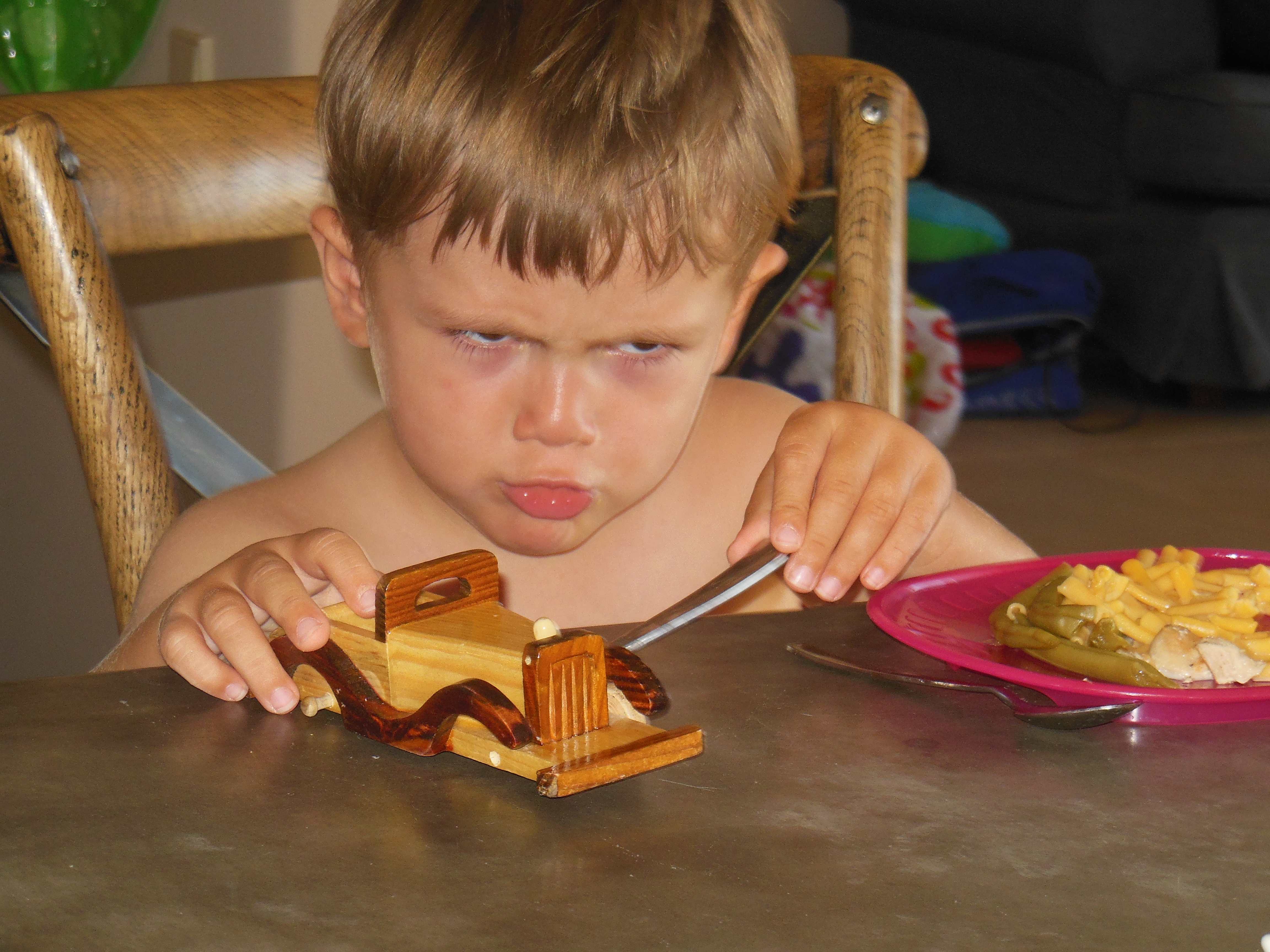

Of course, I do understand that this is common behavior for two- and five-year-olds. I cannot take the full blame for what are developmentally common behaviors. Nevertheless, I have come to recognize that there is an ironic cycle at work in our domestic patterns. The Gigglemonster lets out a shrill scream when Princess Imagination touches his new monster truck toy and tries to grab it from her hands. I respond by sharply raising my voice as I tell him to share and I snatch his hand away from her. Princess Imagination whines that she doesn’t want to clean her room right now and I whine right back that I am tired of her whining and disobedience. Whether they are learning from me or I am learning from them, the lesson being learned is clearly far from ideal. Do as I say, not as I do comes uncomfortably close to the mark. If I want my children to learn how to treat others with respect, to be patient and kind, to do unto others as you would have them do unto you, then I certainly need to begin by modeling such behavior.

Man’s anger, Mom’s anger, does not bring about the righteous life that God desires. This warning matters to me, and not just because of any eternal consequences linked to “unrighteousness.” I believe in a forgiving God who knows my brokenness and loves me through it. But I also believe that the righteous life is worth living for its own sake. A life characterized by love, joy, peace, and the rest of the fruits of the spirit is, in fact, a happy life. And it is the little things, like the way we treat those closest to us, that really determine the character of our lives. I may be serene and free from obvious or violent fits of temper to the casual observer, but I am realizing that I am not slow to anger. Even if my anger is mild, it is anything but slow, and I want this to change.

In the last several days I have been working on being slow. It is amazingly hard. The habit of the quick jump to peevishness is difficult to break expressly because it is not slow— it is automatic. I have been impressed, however, by how quick my children are to respond when my efforts succeed. When I am firm, but calm in response to their misbehavior something miraculous happens: they do not escalate, at least not nearly as fast. When, instead of snapping, I get down on their eye level and talk to them about why they need to stop a given action, they are much more likely to listen, actually LISTEN!

Of course, they are still two- and five-years-old, and I am still imperfectly serene. Our progress is slow. But I will take slow. Slow is good.
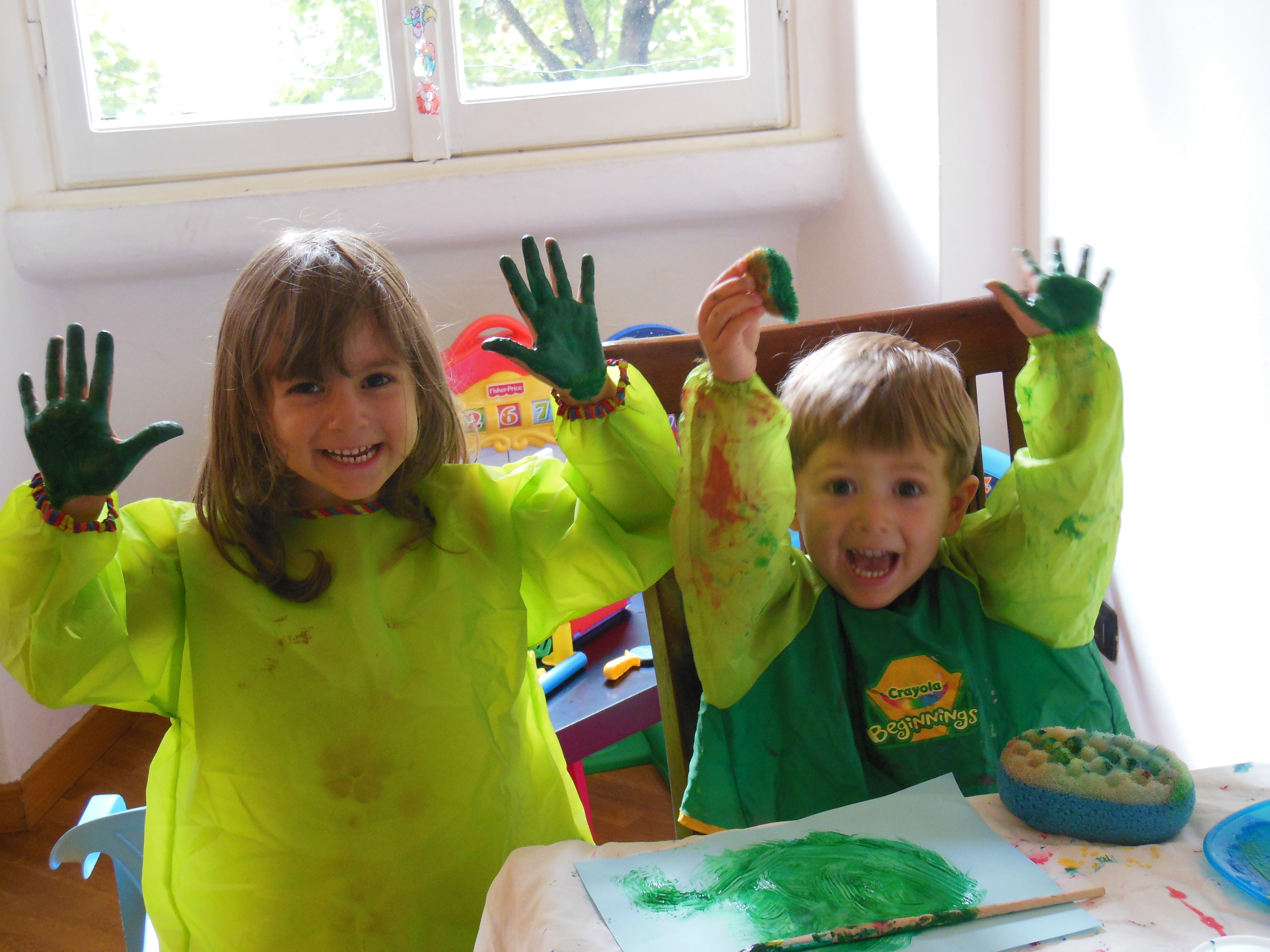
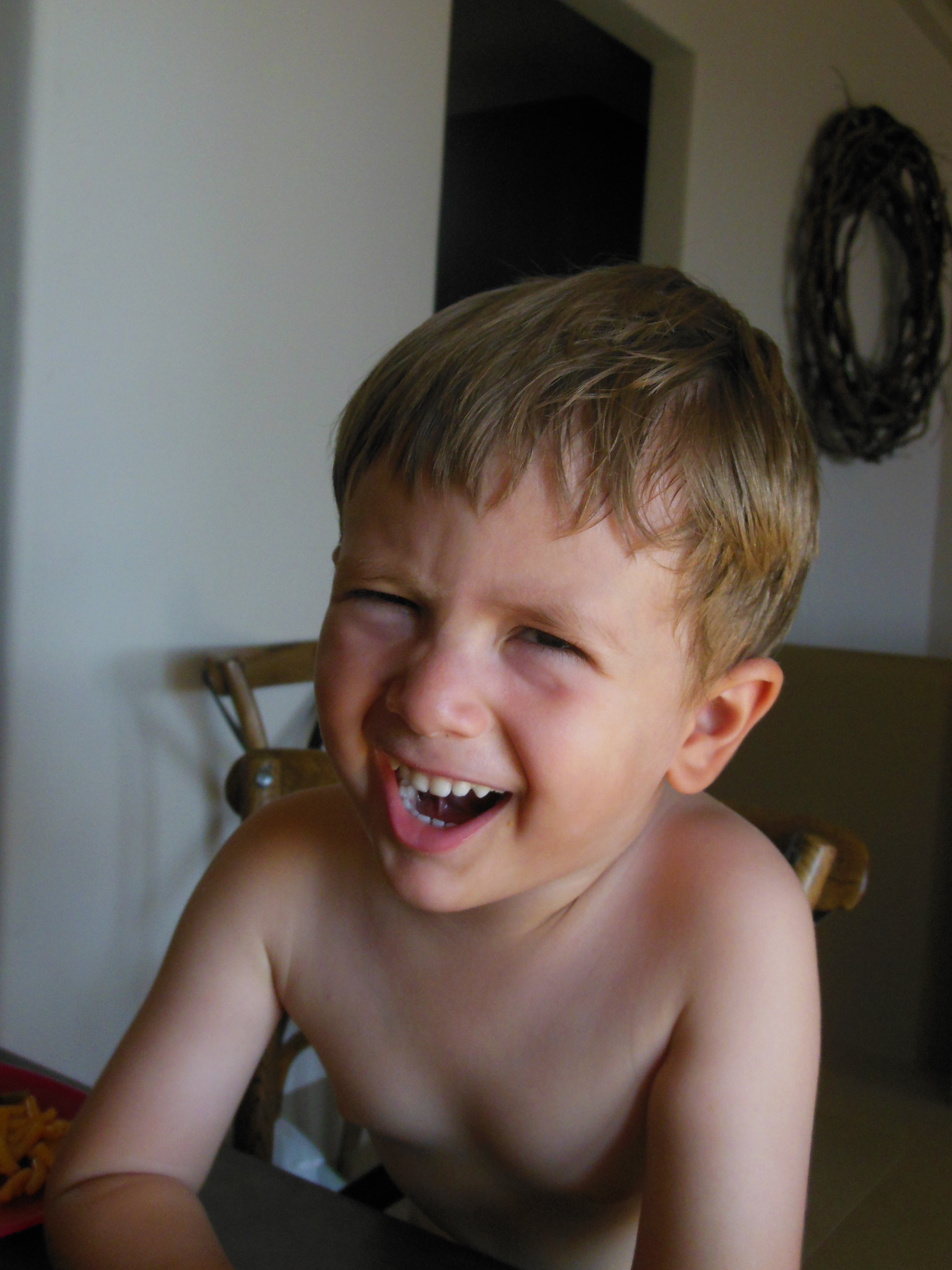
Last day of Summer vacation – enjoying the time together!

[Books and materials used in my efforts to help myself and the kids learn Italian]


3 Comments

Mother Tongue and Limited Proficiency

ImageMy European experience has complicated my relationship with language.

I have always loved language. I am a communicator, and language is fairly essential to good communication. While I have heard the statistic that 90 percent of all communication is non-verbal, I am not sure I am entirely convinced. For one thing, this would suggest that the written word is a relatively ineffective form of communication. However, I have frequently found books and articles to be extremely powerful. They have given me new perspectives on everything from specific issues to my understanding of myself and how I relate to the world. This is one of the primary reasons that I blog. The carefully crafted written word can expose us to new ideas and give us the time to really engage them without all the distractions that come with conversational language.

Moving to a non-English-speaking country has further convinced me that words, while not everything, are much more than ten percent of the equation that makes my conversation partner’s comprehension equal my intended meaning, and vice versa. Words matter.

At this point, those of you who have travelled in Europe may be tempted to retort with the truism I heard so many times before we moved to Italy. “But, everyone in Italy speaks English!” Allow me to correct that misapprehension. While in tourist zones, yes, most Italians you encounter have at least a functional acquaintance with English. This same does not hold true at the local dry cleaners, or the gas station, or the reception desk of the hospital where my son had to go for an EKG. [He is fine, just an innocent heart murmur.] Moreover, while a friendly smile and mime-worthy sign language can accomplish a fair amount in basic information-sharing, it has clear limits.

Thus, despite my clear incompetence at speaking the language of Dante, I generally make the attempt in all interactions where I am not certain that the other party is comfortable and competent in English. At least this way I am fairly certain I will be aware of any gaps in understanding, since they are likely to be mine. Although visiting family members have expressed their admiration at the speed and apparent ease with which the beautiful Italian language falls from my lips, this is because I only sound good when you don’t know what I am saying. After 18 months in Italy, I am painfully aware of the mispronunciations, improper conjugations, and English-style grammar errors with which I butcher virtually every sentence I utter. Speaking Italian makes me feel stupid.

This has introduced the first complication into my love-affair with language. I have come to realize that one of the reasons I have always loved language is that I have always been above average at using it. Throughout my academic and professional life I have received consistent approbation for my skills with both written and verbal communication, and that has naturally made me feel kindly disposed toward the tool that brings such accolades. My limited exposure to foreign language in my Jr. High and High School Spanish classes and brief travel to Mexico and Costa Rica also resulted in positive feedback. I thought of myself as “good with languages” and actually looked forward to the opportunity to immerse myself in a foreign language environment so that I could achieve true fluency.

The reality has not exactly matched my day-dreamy expectations. Of course, my life in Italy does not really reflect the state of true immersion. My family all speak English almost exclusively, with the exception of school yard objections that Princess Imagination has picked up from her classmates and taught to the Gigglemonster (“basta” – enough/stop; “questo è mio” – this is mine; etc. – I’m thrilled!). My really crucial interactions can generally be carried out in English, since our children’s school is British and we have been able to find all English-speaking doctors. The expatriate community in Milan and the upper class Italian parents of Princess Imagination’s schoolmates, who are eager to speak in English, provide ample friends and social connections. Even entertainment – once we jumped through six months of bureaucratic hoops and inefficiency that could only be the product of an Italian service system — is now readily available in English, grazie to the ubiquitous satellite TV-provider of Western Europe. Add to the mix that my first official Italian language class will begin next month, and I acknowledge that I have had limited opportunities to really master the tongue of my temporary country. All of these caveats, however, do not change my daily experience of language being much more often a source of frustration than of gratification.

[Books and materials used in my efforts to help myself and the kids learn Italian]

Then, we went to Greece.  Encountering Greek, with its unique alphabet, and basic words that are counter-intuitive for English-speakers —“yes” is ναί  (pronounced nai) and “no” is όχι  (pronounced o-key) — cast an entirely new light on the Italian language for me. Compared with languages spoken only a few hundred kilometers distant from my new country, Italian is easy! I actually studied biblical Greek for a full year in Seminary and did quite well (part of the I’m-good-at-foreign-languages delusion), but when faced with the challenge of asking the price of a Parthenon-shaped refrigerator magnet, I was helpless. It does not help that we managed to misplace our Greek phrasebook in the course of our three-day road trip to Athens. Even if we had had it, however, I’m not sure it would have helped much. My seminary Greek did begin to resurface a bit in helping me to pronounce Greek words on menus and road signs, but only with excruciating slowness. The added step of translating letters as well as words was just too much for me, and so I defaulted to English in all interactions and hoped for the best. Thankfully, we frequented primarily tourist locations, and thus the truism proved true. Everyone really did speak English, to a serviceable degree. However, the experience still left me feeling uncomfortable. I caught myself speaking loudly and slowly, with gesticulating hand motions, when the English of a given shopkeeper or waiter was inexpert. Ugh! I’m the Ugly American Tourist: expecting everyone to speak my language and unintentionally treating them like idiots when they do so imperfectly. And thus, I encountered a further complication in my relationship with language: the unflattering light it shines on my own self-centeredness.

When our Greece adventure transferred us to the Island of Tinos our tourism frenzy crawled to a halt and we spent most of our time relaxing by the pool, on the beach, or in our comfortable, lazy villa. My complete reliance on English was not an issue because I was surrounded by English-speakers again. The villas owners were Greek, but had been educated in English schools, the villa manager was from South Africa, the other villa occupants whom we met by the pool spoke English well, even the evening yoga instructor was a transplant from New Jersey. This languorous setting, however, held still another new encounter with language for me. The lovely French family that occupied the villa next to ours included a daughter, probably in her late teens, who decided to get her scuba diving license at a local dive school during their vacation. This struck me as incredibly brave, not because of the arguable dangers involved in the sport itself, but because this decision meant that she had to study and be tested on fairly complex material (her mother told me there was quite a bit of physics involved) in English, a language she has only learned in school and in which she has never been immersed even to the degree that I am immersed in Italian. A language, moreover, that was also not the mother tongue of her instructor. I found myself both incredibly impressed and incredibly jealous. That sweet young woman, and so many other friends and acquaintances whom I have met here in Europe, are able to function quite effectively in multiple languages. This is a cultural expectation in many western European countries (though less-so in Italy) that is palpably missing in America.

So this is the final complication in my relationship with, not language in general, but my own language of English: I am not sure whether or not I am glad to be able to claim this heritage. In Milan there is a commonplace acronym, EMT, which is used as an abbreviation for English Mother Tongue. My daughter’s school proudly publicizes that all its teachers are EMT, the English-language bi-weekly newsletter features numerous advertisements seeking EMT nannies or language exchange partners, and I have personally experienced the social prestige that derives from being EMT. Without a doubt, speaking English as my mother tongue opens doors for me and makes travel easier for me than is the case for the native speakers of any other language. Far from being shunned as an outsider here in Milan, I have been approached by numerous people wanting to meet with me to work on their English, several of whom have become good friends as well as language exchange partners.

And yet the fact that English is the de facto international language, in a sense, closes me off from an international community that is brought up understanding the importance of multilingualism. In contrast, the operative acronym in America is LEP: Limited English Proficiency. In my former life as a researcher and advocate in the arena of public policy I frequently encountered the challenges faced by LEP populations. In America the experiences of these populations are often far from the welcome I have experienced.  People who work in the tourism industry are not expected to know foreign languages in order to assist foreign visitors; it is not the rule for people to eagerly seek out acquaintance with foreigners in order to improve their own Italian, or Spanish, or Chinese, or Hindi; and there is certainly no social prestige associated with speaking, as your primary or exclusive language, a language other than English. In contrast, there is a broad social sentiment that resents immigrants or visitors who “can’t even learn the language.” While I have always been repulsed by such ethnocentrism in American politics, I now have a much more personal understanding of just how ignorant that perspective is. It is no easy thing to “just learn the language” of another country, even when you live there. Language acquisition takes time, and resources for study, and perhaps most importantly it requires gracious people in the host country willing to work with you patiently as you struggle and mangle their language.

I have always understood that language is power. I now understand how much the English language has a greater share of that power than is proportional to its native population. This gives me advantages that have made much of my European experience possible, and I am grateful for this. I am grateful to be EMT, but I am also grateful to have had the chance to experiences life as LIP (Limited Italian Proficient). I can never again take for granted the power that I have through no merit of my own. I hope rather to find ways to use that power to celebrate the international community and its appreciation of multilingualism. May this reflection be only a start.

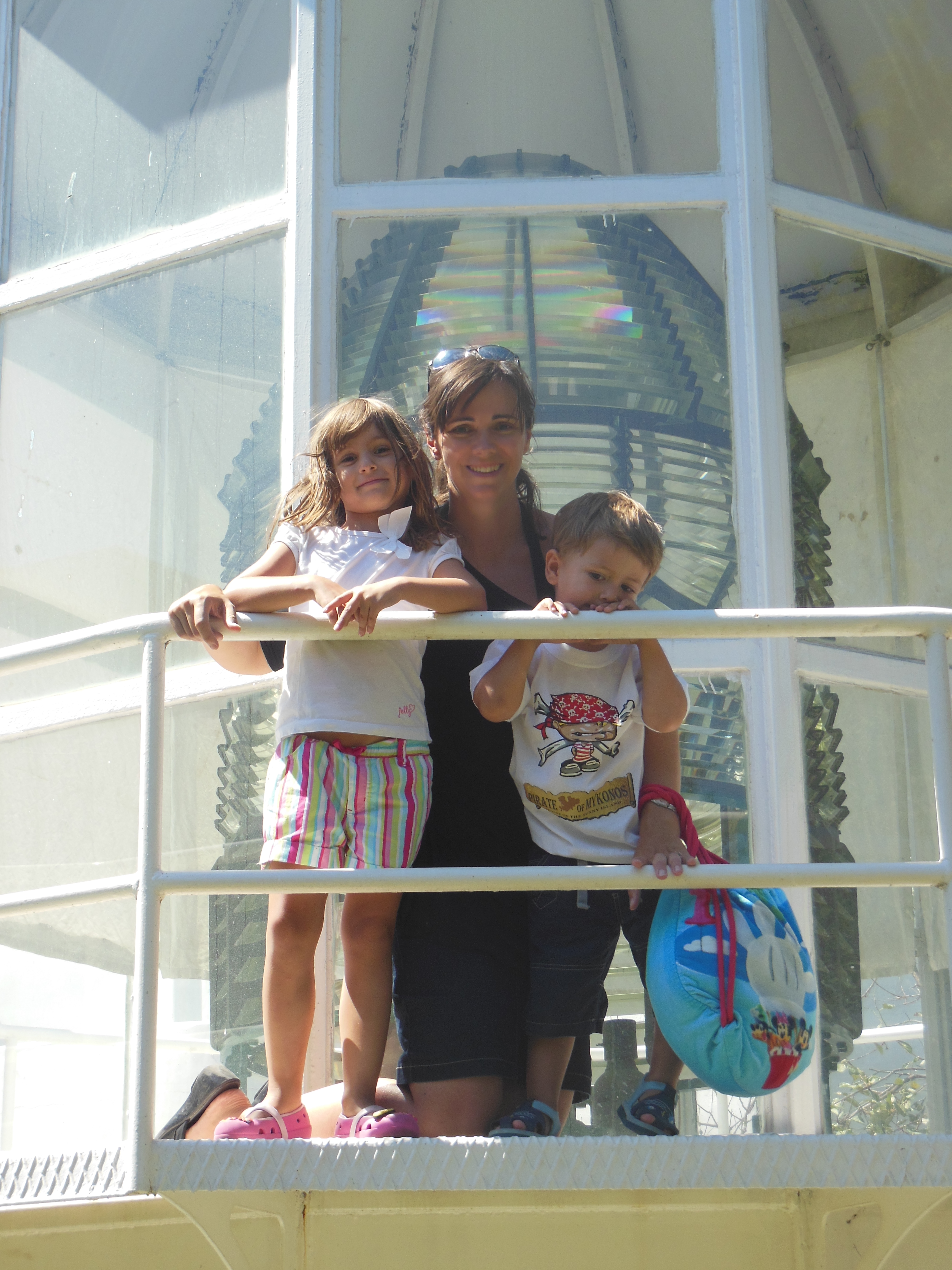
[Some more photos from Greece, for the Grandmas.]

Giggles!