Today’s run wasn’t my best. That probably goes without saying considering that I was running outside in Milan in August, but the cognitive understanding that heat and humidity and heavily polluted air make running more difficult offered no comfort to my body as it labored under this three-pronged assault. After the first mile I felt more exhausted than I had felt at kilometer 7 of my last 10K (and that had been the hardest interval of the race ). I consoled myself by mentally composing a Facebook post that would be my futile revenge on this awful exertion.
Then, however, I remembered a new discipline I has planned to start this morning. The idea had come from a blog entry on prayer and stress that I had skimmed the night before (http://work4christ.wordpress.com/2013/08/02/too-much-stress/). It had offered the familiar encouragement that daily prayer is an important practice for spiritual and even physical health, advice that I know and strive inconsistently to follow. It also suggested some guidelines for the best ways to structure this daily practice, including the advice that you should NOT plan your daily prayer time at a period of the day when you are “tired and exhausted.” Well, that knocks out the very beginning and end of the day. And with the kids home all day for the summer, what does that leave me? Thankfully the post had another suggestion in passing: “perhaps time during your morning or evening walk will work well for you.” Well, the luxury of an evening walk is not something I have, but I do have my morning run 3 or 4 times a week…
And so the idea was born. Prayer first thing in the morning is usually a struggle for me, at least any version of meditation that extends beyond a whispered “thank you for this day God. Please help me to live in a way that shows your love.” Attempts to be still before my God, or to focus my mind on the four pillars of praise, confession, petition and thanksgiving, tend to dissolve into blurry-minded distraction. I’m just not alert enough in my first 30 minutes of consciousness to give God my best. One of the things I love about running, however, is how it heightens my awareness, as though the rushing of blood through my veins rinses the cobwebs out of my mind as well. The immediate aftermath of this invigorating activity could be the perfect time to focus my awareness on the Truth that is so real it can be difficult to see in the haze of everyday.
So this was my plan. I would run the half mile to the neighborhood park that is my usual destination and add a few extra twists to my circuitous laps around this urban green space to bring my total distance to about 2.5 miles. Then, rather than racing home, I could walk the return journey and use the time to calm not just the beating of my heart but also the rushing of my thoughts. It would be the perfect time to focus my mind on the glorious Creator who has blessed me with a functioning, relatively healthy body and a beautiful (if polluted) city in which to run.
This fountain borders one edge of my normal park route… it starts to look really appealing by the 2nd lap
That was the plan… but as I heaved my way through mile two I was feeling anything but worshipful. I was over-hot and aching and not in the mental space I wanted to be to approach the One to whom I owe everything. But, another exhortation on prayer that I read recently wouldn’t let me abandon the plan: “Prayer is a discipline before it is a joy, and remains a discipline even after it becomes a joy” (Ben Patterson, Deepening Your Conversation with God: The Life-Changing Power of Prayer, Bethany House Publishers, 1999, p. 51). Prayer has often been a joy for me, but that wasn’t a prerogative and I needed to find a way to engage in prayer when it didn’t feel joyful; to embrace the spiritual discipline even when the physical discipline intended to prepare me for it had instead done the exact opposite. And so, for the last mile or so, I prepared. I didn’t try to pray, but I intentionally rejected all the negative thoughts that were crowding into my head and screaming up from my muscles and lungs. I might not be enjoying this run, but I wasn’t going to let that steal my gratitude for it. I was going to feel each wheezing breath as a reminder that I am blessed with life, and a life that does not bear the scrutiny of complaint. Not from a Sovereign who fought for each pain-wracked breath as he pushed whip-torn skin across the splintering wood of the cross on which he hung out of love for me.
And so, I finally slowed to a walk with aching lungs and a pounding heart, but also with a well-spring of gratitude re-opened in my soul. The prayer that flowed up from this inner renewal gave me a refreshment that I hope can bless others as well.
Running Prayer
Sweet Creator,
Thank you for the summer day,
even when it breaks too early on my drowsy bed;
Thank you for the shining sun,
even when it’s sharp heat assaults my sweating head;
Thank you for the air so full,
even when its weight cloys at my gulping throat;
Thank you for the solid stones,
even when their angles try to trip my toes.
Thank you for the spinning world that slides beneath my pounding feet,
Pushing.
Resisting.
Propelling.
Thank you for my churning legs,
even when they tremble at the distance still to run;
Thank you for my well-shod feet,
even when they murmur protest, longing to be done;
Thank you for my heaving lungs,
even when they gasp for air and then for rest;
Thank you for my pumping heart,
even when it beats a deafening rhythm in my chest.
Thank you this struggling body that moves against inertia’s pull,
Pushing.
Resisting.
Strengthening.
Thank you for these wakened eyes,
to see your light refracted through the dappling leaves;
Thank you for these sharpened ears,
to hear the music of your breath refilling lungs that heave;
Thank you for these softened lips,
to whisper praises so soon after tasting of complaint;
Thank you for this opened mind,
to comprehend the weight of glory witnessed by the saints.
Thank you for your Spirit’s breath again, in sense and will reborn,
Pushing.
Resisting.
Finally resting in this grateful Peace.
(And thank you also for my little runners in training – such a joy and inspiration to seek health)
This entry began more than a week ago. We were entering the last week of our 28-day whirlwind trip to California without Daddy and it was bedtime. For the last 8 nights the kiddos had been sharing Gra’ma’s living room floor with relative peace, thanks to a couple of reasonably comfortable foam pallets and a schedule of full days that left them blissfully tired each night. On night 9, unfortunately, the situation had deteriorated substantially.
Actually, that lead-up is not really fair to Princess Imagination as it suggests sibling feuding as the source of the problem. The true friction was along the Mommy-Son fault line. I won’t dwell on the un-pretty details but to summarize: the Gigglemonster was offering a master class in the art of behaving like an over-tired, defiant, needy 3-year-old. After a slow start (during which I naively tried practicing my “positive parenting” skills by acknowledging his frustration before suggesting alternative ways to express it), I finally started picking up what he was laying down. Within about 45 minutes I was totally acing the test on combining petulance, whining, and stubbornness with my oral essay entitled “Fine! You can lay on the floor and scream if you want. I’m going to go cuddle with your sister because she just asked my sweetly!” Every true master, however, can deflate the ego of a self-congratulatory journeyman and my instructor was not about to concede the podium. His lecture in response was a masterpiece of manipulation along the lines of “No, Mommy! I’m sorry. I’m listening now. I will lay down in my bed. I will listen. Please don’t leave me. I need you!” Oh crum! Now what do I do? I need to reinforce his decision to calm down and try to use this opportunity to get him to sleep, but his sister really did ask so sweetly and it’s not fair to give him all the attention just because he’s tantruming. My fumbling response was a quick hug and cuddle to the Gigglemonster and a promise to be back soon, then 5 minutes with Princess Imagination singing and rubbing her back (marred by anxiety lest my absence spur a renewal in my instruction), concluding with cuddling my now docile professor just as long as he wanted. Eventually the course concluded with a demonstration of exhausted slumber and I crawled to my own bed eager for a fresh start the next day.
Unfortunately, the pale light of that day revealed that the master-class turned show-down had produced a casualty, and, as so often happens, it was the innocent bystander who had been hurt. I didn’t notice the injury at first, because I was distracted by my internal debriefing about the strategies employed by both sides in the conflict. My analysis focused on the pivot point of the confrontation, and the unsettling impression left by the Gigglemonster’s radical switch – “now I’m listening.” Is it really listening if he only wrestled control of his behavior after the threat of my removal? I wasn’t convinced, but I struggled to formulate any alternative strategy that could produce from him more genuine “listening” to my pleas for cooperation and consideration of the needs of the whole family.
Ironically, I think Princess Imagination had to ask me about three times before I actively listened to her request that I come with her to the bathroom. When the plea finally penetrated my distracted mind I was confused.
“Sweetie, why do you want me to come with you? You can go to the potty by yourself.”
“Please, Mommy! I just want you to come with me. Please come.”
I was confused, but finally compliant. The mystery resolved itself as soon as the door closed.
“Mommy, I feel like (the Gigglemonster) gets all your attention at bedtime, and it’s not really fair. I don’t ever get to have you cuddle with me for a long time and he always does. It makes me feel sad that you never give me attention.”
I don’t imagine that you need to be a parent to guess at just how painful that particular blade is when it twists around in a mother’s insides. Princess Imagination’s complaint might have been worded in more absolutist terms than are strictly true, but the general complaint was valid. When it’s just me and the kids, my son and youngest offspring tends to “need” a lot more of Mommy’s time and attention, especially at bedtime, whereas my older daughter is wonderfully independent and generally able to soothe herself to sleep with limited parental involvement. It’s not a willful preference on my part, of course, but the imbalance in bedtime attention is indisputable.
Aside from the massive lump of guilt that threatened to strangle my tearful apology, I had two lingering reactions to my daughter’s calm, quiet plea for more attention. One was actually mingled pride and joy at the way she had expressed her needs. Joy that, at 6 years old, she is already showing such emotional control and clear communication skills, including the patient strategy of contriving a private, focused context for presenting her clearly worded complaint. Pride because I get at least some of the credit for this, considering that I have (inconsistently, but intentionally) modeled for her this type of calm presentation of my feelings and observations. In whatever context, it is one of those priceless parenting moments when your child shows that they have understood the lessons you have tried to teach. On the other hand, the context in this case gave me no cause for pride. Princess Imagination had recognized the need for this effective model of communication because it was apparently the only way to focus my attention on a very legitimate complaint. At least, I assume that she had determined this strategy to be the only way to get me to listen that didn’t involve following her brother’s tantruming example (which she has learned generally gets less traction from her because she is “older”). That’s not really the stimulus I wanted for fostering my daughter’s emotional maturity and communication skills.
Princess Imaginations request was successful in drawing my attention, not only to the imbalance of bedtime attention, but to the problems with my attention more generally. Put simply, my attention is usually focused on what I am trying to achieve, as opposed to understanding the needs of those around me. Thus began my week of trying to actually practice the behavior I am constantly requesting from my children: “listening.” Listening to the sounds of rising tension in a game in the next room and interrupting my own activity to help diffuse the tension before it erupts into fighting and tears; Listening to the sadness in my husband’s voice as he comes home for the fourth straight week to an empty house, and recognizing that a daily phone call is really important even though we will be home in just a few days; Listening to the pain of other family members who are going through life-altering challenges and trying to remember to offer comfort rather than unsolicited advice.
This discipline of intentional listening brought with it a realization: listening is really hard work! It requires putting aside your own agenda, whether that be the activity you were engaged in or your own thoughts on the topic at hand, and instead focusing your attention on what the other person thinks is important.
Our family recently began another discipline as part of our nightly dinner routine. We each have our own hand-made “Bible memory book” containing passages of scripture we want to learn my heart, and we quiz each other each night on these verses. The very first passage I chose for this task was James 1:19b-20:
Everyone should be quick to listen, slow to speak, and slow to become angry. For man’s anger does not produce the righteous life that God desires.
When I memorized these verses my attention was focused on the part about anger, but the past week’s reflection has reminded me that being slow to become angry comes after being quick to listen. Listening to what other people need provides the foundation for being able to respond to them in a way that accounts for those needs. Of course, I can’t meet every need of every person all the time, but if I can at least strive to listen long enough to understand them.
And yet, this is precisely opposite to the way that I, and I think most parents, usually talk to my children about listening. Instead, “listening” is more commonly a word of command, as in “listen to me and do what I say!” I learned the Italian word for listen (ascolta), very soon after moving to Italy precisely because I heard it so constantly in the interactions between parents and children on the playground. Actually, you hear it frequently in adult conversations as well. The energetic Italian matron who helps me with house-cleaning every other Saturday frequently prefaces her remarks to me with the phrase “Serena, ascolta…”. It is her way to gather my attention so that she can make a suggestion or ask a question. It is her way of politely, but directly, insisting that I focus on what she is saying.
The use of this phrase in Italian interactions may be more ubiquitous than in American conversations, but I don’t think that reflects an underlying cultural contrast. When it comes to listening, Americans (like Italians and I would guess members of most Western cultures) are generally primarily interested in demanding that others listen to them. Just consider the level of political debate in the U.S. From campaign “debates,” to radio talk shows, to Facebook comment threads, everyone wants to be listened to, and scant few demonstrate the capacity or willingness to really listen to anyone else. I am clearly guilty in this regard so I don’t make these observations from any moral high ground. Rather, I confess this difficulty as a serious challenge to the daily demand I make of my children.
How can I constantly ask my children to do something that most adults in both my native and temporary culture find so difficult to do? I expect this of them as though it were such a simple thing. And in one way it is. In the past two years I have learned again that comprehension comes before speaking in language acquisition. But, listening requires more than just the capacity to comprehend. As Princess Imagination so powerfully reminded me by sequestering me behind a bathroom door, listening requires also the ability to attend – to block out other stimuli in order to focus on the person speaking. True listening requires one more component as well, the receptivity to hear the other person’s perspective without interrupting this attention with a reversal to one’s own needs and point of view.
That requirement became all too clear to me on our 19-hour journey back to Milan on Thursday & Friday of this past week. Countless friends and family members have expressed some level of awe that I routinely make this transcontinental journey as a solo parent. I generally down-play the difficulty with some remark about the kids being really good travelers or the lessons I have learned about equipping myself with adequate entertainment and snacks for them, and I often throw in a little anecdote about how impressed my fellow-travelers express themselves to be at the end of most of our flights. Well, this last trip eroded my self-congratulatory confidence just a bit.
It’s not that the kids acted horribly, they just didn’t want to sleep. This trip we had departed from our usual preference for a long red-eye flight from the west coast to Europe and a short second flight to Milan that would land us home around dinner time. Instead we had departed from California in the early morning to make our transfer in New York and then fly directly to Milan for a morning arrival. It is not a terribly significant difference for adults, who can mentally adjust our internal clocks to a 9-hour time change. For the kids, however, it was a disaster. The early departure virtually guaranteed a longish nap on the first flight, which left them wide awake when we took off for our 8-hour flight across the Atlantic. Mommy, of course, hadn’t taken a nap earlier because I understood that the precious 8 hours of flight time would have to encompass both our dinner and our only sleep for the night. I tried to account for the kids’ west-coast time orientation, but when my watch showed me that there were only 4 hours left in the flight I got serious about bed time. Unfortunately, the kids didn’t want to “listen” to my demands that they go to sleep. They weren’t tired, and there were so many more interesting things to do, like watching movies on the personal entertainment device, or investigating the wealth of toys and books and snacks that I had so cleverly packed into their carry-on bags.
The next several hours demonstrated just how far I have to come in my effort to become a better listener. In that dimly lighted cabin, surrounded by sleeping passengers who weren’t likely to compliment my children’s docility on landing if we woke them up, all I could focus on was my need for the kids to be quiet and go to sleep. I cajoled, I hissed, I issued toothless ultimatums. None of it was successful, and none of it attended to my children’s needs. The Gigglemonster said he was hungry. “Then you should have eaten earlier when I was offering you food.” Princess Imagination wanted her backpack. “No, it’s time to sleep,” followed by “Fine, but you have to be quiet!” And my crowning parenting moment (delivered through angrily clenched teeth): “If you don’t stop making noise, I am going to take away all your cars!”
It’s not that I was wrong in my goal. We did need to be quiet so that other passengers could sleep, and we would have certainly benefitted from getting some rest ourselves (the last 3 days of painful jet lag are ample evidence of that). But my children were right too. They had needs that they were trying to express to me, and they couldn’t just suppress them because I was hissing at them to listen to all my practical reasons why they should go to sleep. Maybe if I had taken advantage of the available snacks promised by the business class menu the Gigglemonster could have filled his stomach with more substantial food and been able to get to sleep. Maybe if I had offered Princess Imagination her books, rather than free access to her whole bag, she could have settled down with a less-stimulating activity. Maybe if I had remembered that the Gigglemonster needs my physical presence to soothe him to sleep in unfamiliar beds I could have earned us both a few hours of rest. Maybe if I had listened, rather than just demanding that they listen to me, I could have actually achieved my own goal.
And so, as I struggle to emerge from the time-change/jet-lag fog that has held my family captive for the last three days (and nights!), I am confronted by the question of just how to teach my children and myself the skill of listening. It’s an important thing to be able to do. It’s a skill that could help our family to be much more connected and could help each of us individually to communicate much more effectively. I am beginning to understand, however, that it is not the simple task I imply by my frequent demand for my children’s attention. Especially, it is not easy for them to learn it when I am so inconsistent at modeling it for them.
It’s not impossible. Princess Imagination proved that she has listened to my teaching about how to share her feelings. I’m so proud of, and challenged by, her example. The last week hasn’t defeated my ambition to both practice and require respectful listening. What it has taught me is that teaching and practicing listening skills starts with genuine attention.
I think it’s time I stop writing and start offering some of that attention now.
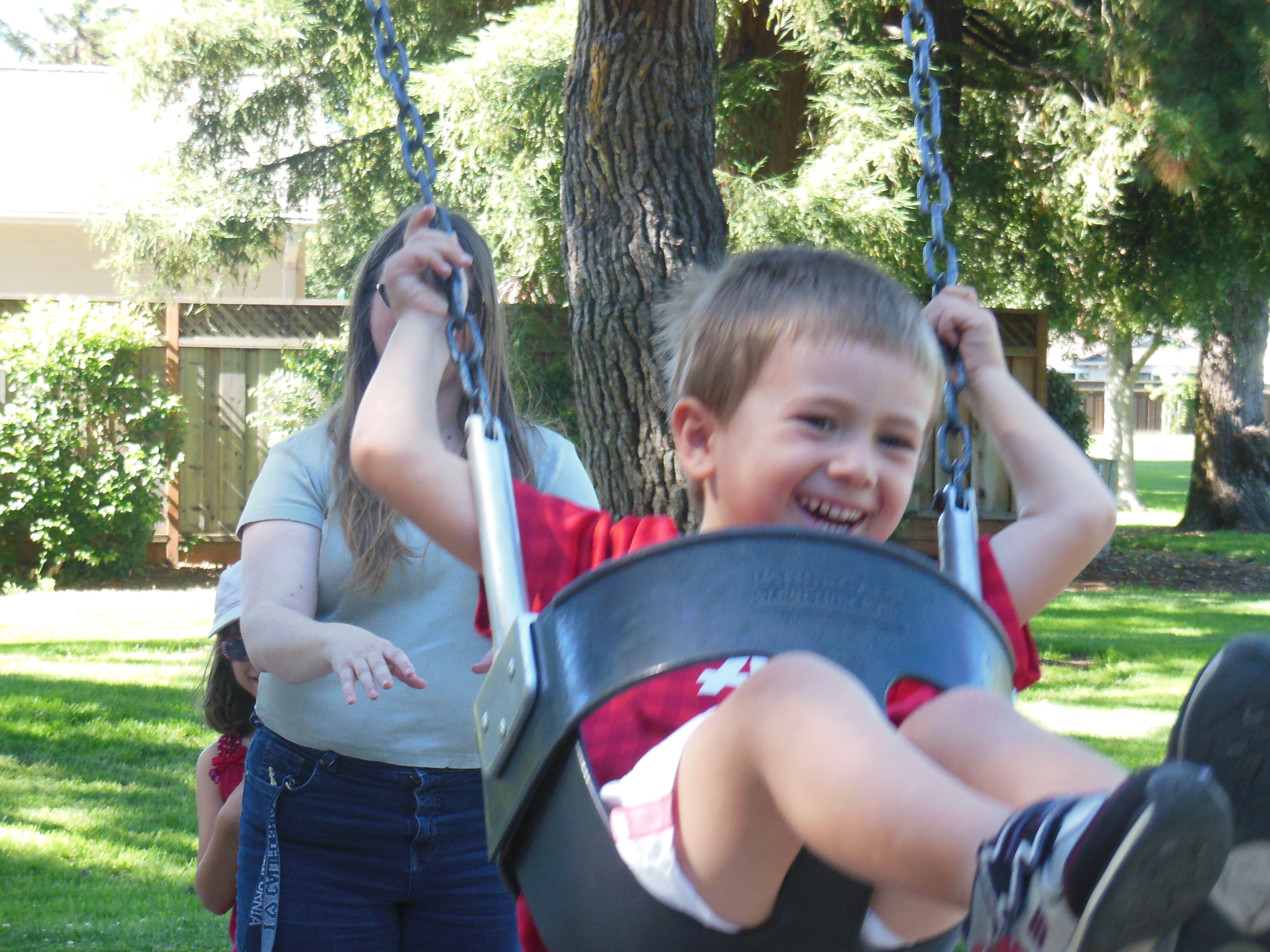
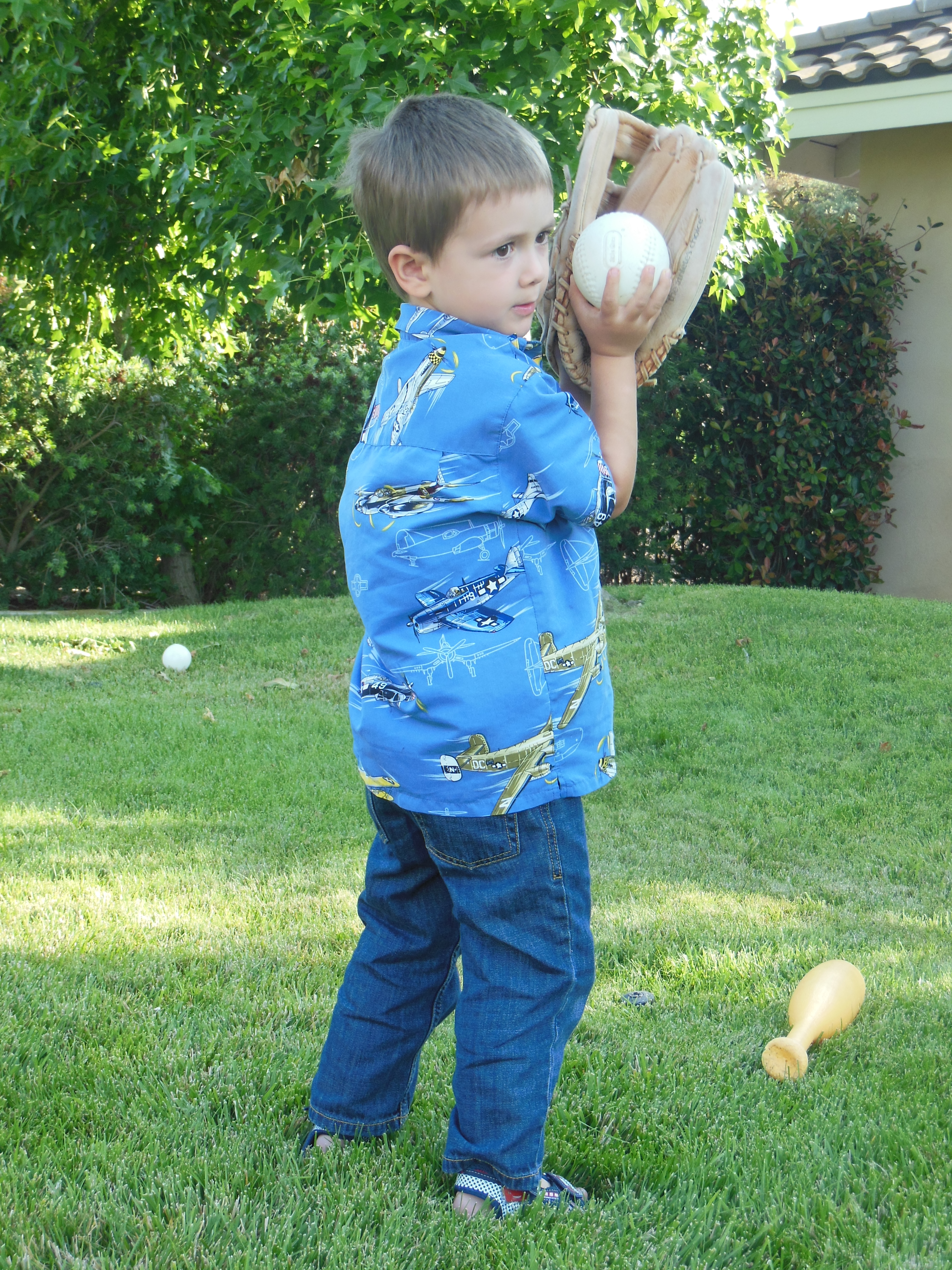
(We had a lot of fun on our trip too, so the pictures celebrate the joyful time)

 Today’s run wasn’t my best. That probably goes without saying considering that I was running outside in Milan in August, but the cognitive understanding that heat and humidity and heavily polluted air make running more difficult offered no comfort to my body as it labored under this three-pronged assault. After the first mile I felt more exhausted than I had felt at kilometer 7 of my last 10K (and that had been the hardest interval of the race ). I consoled myself by mentally composing a Facebook post that would be my futile revenge on this awful exertion.













 Faith, Family, & Focaccia